


Page 25 - AIH-1-3
P. 25
Artificial Intelligence in Health                                           Optimizing EHRs to support AI


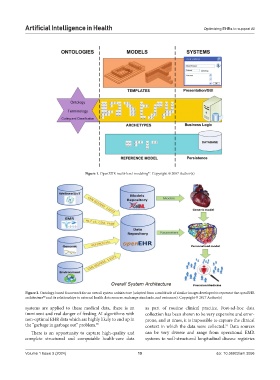
                                     Figure 1. OpenEHR multi-level modeling . Copyright © 2007 Author(s)
                                                                87


            Figure 2. Ontology-based framework for an overall system architecture (adapted from a multitude of similar images developed to represent the openEHR
            architecture  and its relationships to external health data sources, exchange standards, and outcomes). Copyright © 2017 Author(s)
                   80
            systems are applied to these medical data, there is an   as part of routine clinical practice. Post-ad-hoc data
            imminent and real danger of feeding AI algorithms with   collection has been shown to be very expensive and error-
            non-optimal EHR data which are highly likely to end up in   prone, and at times, it is impossible to capture the clinical
            the “garbage in garbage out” problem. 90           context in which the data were collected.  Data sources
                                                                                                 91
              There is an opportunity to capture high-quality and   can be very diverse and range from operational EMR
            complete  structured  and  computable  health-care  data   systems to well‐structured longitudinal disease registries


            Volume 1 Issue 3 (2024)                         19                               doi: 10.36922/aih.3056

