


Page 75 - DP-2-2
P. 75
Design+                                                              Meaningful digital consent: A VSD study


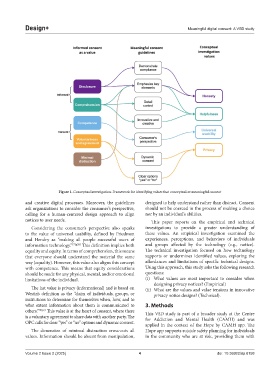
                          Figure 1. Conceptual investigation: Framework for identifying values that conceptualize meaningful consent

            and creative digital processes. Moreover, the guidelines   designed to help understand rather than distract. Consent
            ask organizations to consider the consumer’s perspective,   should not be coerced in the process of making a choice
            calling for a human-centered design approach to align   nor by an individual’s abilities.
            notices to user needs.                               This paper reports on the empirical and technical
              Considering the consumer’s perspective also speaks   investigations to provide a greater understanding of
            to  the  value  of universal  usability,  defined  by  Friedman   these values. An empirical investigation examined the
            and Hendry as “making all people successful users of   experiences, perceptions, and behaviors of individuals
            information technology.” 17(p28)  This definition implies both   and groups affected by the technology (e.g., notice).
            equality and equity. In terms of comprehension, this means   The technical investigation  focused on how technology
            that everyone should understand the material the same   supports  or undermines  identified  values,  exploring  the
            way (equality). However, this value also aligns this concept   affordances and limitations of specific technical designs.
            with competence. This means that equity considerations   Using this approach, this study asks the following research
            should be made for any physical, mental, and/or emotional   questions:
            limitations of the individual.                     (i)  What values are most important to consider when
                                                                  designing privacy notices? (Empirical)
              The last value is privacy (informational) and is based on   (ii)  What are the values and value tensions in innovative
            Westin’s definition as the “claim of individuals, groups, or   privacy notice designs? (Technical).
            institutions to determine for themselves when, how, and to
            what extent information about them is communicated to   3. Methods
            others.” 29(p7)  This value is at the heart of consent, where there   This VSD study is part of a broader study at the Centre
            is a voluntary agreement to share data with another party. The   for Addiction and Mental Health (CAMH) and was
            OPC calls for clear “yes” or “no” options and dynamic consent.  applied in the context of the Hope by CAMH app. The
              The dimension of minimal distraction cross-cuts all   Hope app supports suicide safety planning for individuals
            values. Information should be absent from manipulation,   in the community who are at risk, providing them with


            Volume 2 Issue 2 (2025)                         4                                doi: 10.36922/dp.8158

