


Page 13 - MI-2-1
P. 13
Microbes & Immunity                                                           Sepsis and gut microbiome


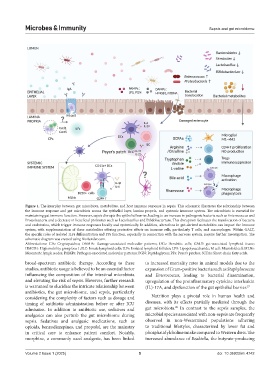
            Figure 1. The interplay between gut microbiota, metabolites, and host immune response in sepsis. This schematic illustrates the relationship between
            the immune response and gut microbiota across the epithelial layer, lamina propria, and systemic immune system. The microbiota is essential for
            maintaining gut immune function. However, sepsis disrupts the epithelial barrier, leading to an increase in pathogenic bacteria such as Enterococcus and
            Proteobacteria and a decrease in beneficial probiotics such as Lactobacillus and Bifidobacterium. This disruption facilitates the translocation of bacteria
            and endotoxins, which trigger immune responses locally and systemically. In addition, alterations in gut-derived metabolites can impact the immune
            system, with supplementation of these metabolites offering protective effects on immune cells, particularly T cells, and macrophages. Within GALT,
            the specific roles of isolated ILFs differentiation and PPs function, especially in connection with the nervous system, require further investigation. The
            schematic diagram was created using BioRender.com.
            Abbreviations: CPs: Cryptopatches; DAMPs: Damage-associated molecular patterns; DCs: Dendritic cells; GALT: gut-associated lymphoid tissue;
            HMGB1: High mobility group box 1; ILC: Innate lymphoid cells; ILFs: Isolated lymphoid follicles; LPS: Lipopolysaccharide; M cell: Microfold cell; MLNs:
            Mesenteric lymph nodes; PAMPs: Pathogen-associated molecular patterns; PGN: Peptidoglycan; PPs: Peyer’s patches; SCFAs: Short-chain fatty acids.

            broad-spectrum  antibiotic  therapy.  According  to  these   to increased mortality rates in animal models due to the
            studies, antibiotic usage is believed to be an essential factor   expansion of Gram-positive bacteria such as Staphylococcus
            influencing the composition of the intestinal microbiota   and  Enterococcus,  leading  to  bacterial  dissemination,
            and elevating the risk of sepsis. However, further research   upregulation of the proinflammatory cytokine interleukin
            is warranted to elucidate the intricate relationship between   (IL)-17A, and dysfunction of the gut epithelial barrier. 27
            antibiotics, the gut microbiome, and sepsis, particularly
            considering the complexity of factors such as dosage and   Nutrition plays  a pivotal role  in  human  health  and
            timing of antibiotic administration before or after ICU   diseases, with its effects partially mediated through the
                                                                            28
            admission. In addition to antibiotic use, sedatives and   gut microbiota.  In contrast to the sepsis samples, the
            analgesics can also perturb the gut microbiome during   microbial species associated with non-sepsis are frequently
            sepsis. Sedatives and analgesic medications, such as   observed in non-Westernized populations  adhering
            opioids, benzodiazepines, and propofol, are the mainstay   to traditional lifestyles, characterized by lower fat and
            in critical care to enhance patient comfort. Notably,   phosphatidylcholine intake compared to Western diets. The
            morphine, a commonly used analgesic, has been linked   increased abundance of Ezakiella, the butyrate-producing


            Volume 2 Issue 1 (2025)                         5                                doi: 10.36922/mi.4742

