


Page 86 - MI-2-2
P. 86
Microbes & Immunity                                               Big data and DNN-based DTI model in CHP


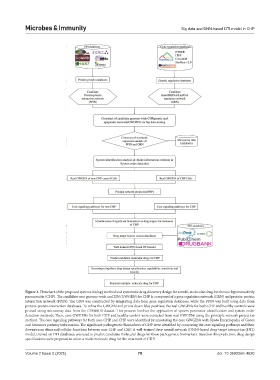
            Figure 1. Flowchart of the proposed systems biology method and systematic drug discovery design for a multi-molecular drug for chronic hypersensitivity
            pneumonitis (CHP). The candidate core genome-wide and EIN (GWGEN) for CHP is composed of a gene regulation network (GRN) and protein-protein
            interaction network (PPIN). The GRN was constructed by integrating data from gene regulation databases, while the PPIN was built using data from
            protein-protein interaction databases. To refine the GWGEN and prune down false positives, the real GWGENs for both CHP and healthy controls were
            pruned using microarray data from the GSE86618 dataset. This process involves the application of system parameter identification and system order
            detection methods. Then, core GWGENs for both CHP and healthy control were extracted from real GWGENs using the principle network projection
            method. The core signaling pathways for both non-CHP and CHP were identified by annotating the core GWGENs with Kyoto Encyclopedia of Genes
            and Genomes pathway information. The significant pathogenetic biomarkers of CHP were identified by comparing the core signaling pathways and their
            downstream abnormal cellular functions between non-CHP and CHP. A well-trained deep neural network (DNN)-based drug-target interaction (DTI)
            model, trained on DTI databases, was used to predict candidate molecular drugs for these pathogenetic biomarkers. Based on this prediction, drug design
            specifications were proposed to select a multi-molecule drug for the treatment of CHP.


            Volume 2 Issue 2 (2025)                         78                               doi: 10.36922/mi.4620

