


Page 75 - BH-2-2
P. 75
Brain & Heart                                                     A mini-review on heart-brain communication


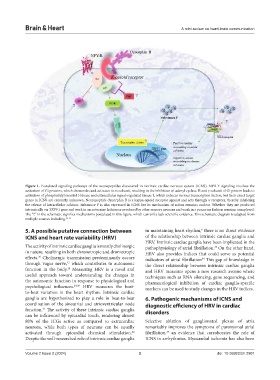
            Figure 1. Postulated signaling pathways of the neuropeptides discovered in intrinsic cardiac nervous system (ICNS). NPR-Y signaling involves the
            activation of Gi proteins, which dismantles and activates its α subunit, resulting in the inhibition of adenyl cyclase. Β and γ subunit of Gi protein leads to
            activation of phosphatidyl inositol 3 kinase and extracellular signal-regulated kinase 1, which induces various transcription factors, but their exact target
            genes in ICNS are currently unknown. Neuropeptide dynorphin B is a kappa opioid receptor agonist and acts through κ receptors, thereby inhibiting
            the release of intracellular calcium. Substance P is also expressed in ICNS but its mechanism of action remains unclear. Whether they are produced
            intrinsically via TRPV1 gene and work in an autocrine fashion or produced by other sensory neurons and work in a paracrine fashion remains unexplored.
            The “?” in the schematic signifies mechanisms postulated in this figure, which currently lack scientific evidence. This schematic diagram is adapted from
            multiple sources including. 22-25
            5. A possible putative connection between          in maintaining heart rhythm,  there is no direct evidence
                                                                                       6
            ICNS and heart rate variability (HRV)              of the relationship between intrinsic cardiac ganglia and
                                                               HRV. Intrinsic cardiac ganglia have been implicated in the
            The activity of intrinsic cardiac ganglia is mostly cholinergic   pathophysiology of atrial fibrillation.  On the other hand,
                                                                                            33
            in nature, resulting in both chronotropic and dromotropic   HRV also provides indices that could serve as potential
            effects.  Cholinergic transmission predominantly occurs   indicators of atrial fibrillation  This gap of knowledge in
                 26
                                                                                       34
            through vagus nerve,  which contributes to autonomic   the direct relationship between intrinsic cardiac ganglia
                              27
                              28
            function in the body.  Measuring HRV is a novel and   and HRV measures opens a new research avenue where
            useful approach toward understanding the changes in   techniques such as RNA silencing, gene sequencing, and
            the autonomic function in response to physiological and   pharmacological inhibition of cardiac ganglia-specific
            psychological influences. 29,30  HRV measures the beat-  markers can be used to study changes in the HRV indices.
            to-beat variation in the heart rhythm. Intrinsic cardiac
            ganglia are hypothesized to play a role in beat-to-beat   6. Pathogenic mechanisms of ICNS and
            coordination of the sinoatrial and atrioventricular node   diagnostic efficiency of HRV in cardiac
            function.  The activity of these intrinsic cardiac ganglia   disorders
                   31
            can be influenced by epicardial touch, rendering almost
            80% of the ICGs active as compared to extracardiac   Selective ablation of  ganglionated plexus of  atria
            neurons, while both types of neurons can be equally   remarkably improves the symptoms of paroxysmal atrial
            activated through epicardial chemical stimulation.    fibrillation,  an evidence that corroborates the role of
                                                                        35
                                                         32
            Despite the well-researched role of intrinsic cardiac ganglia   ICNS in arrhythmias. Myocardial ischemia has also been
            Volume 2 Issue 2 (2024)                         3                                doi: 10.36922/bh.2901

