


Page 51 - EER-2-2
P. 51
Explora: Environment
            and Resource                                                       Textile industry and environmental pollution


            largest consumers of water among manufacturing sectors,   the urgent need for effective monitoring and enforcement
            particularly during wet processing operations such as   of wastewater pH regulations to minimize environmental
            washing, bleaching, sizing, dyeing, and printing.  Surface   and health hazards.
                                                   9
            water is often used in these processes, and when wastewater
            from these operations is discharged untreated into rivers   3.4. Soil pollution
            and other water bodies, it causes significant pollution.  This   Textile wastewater also contributes significantly to soil
                                                      9
            ongoing contamination has led to the severe degradation of   contamination. Soil serves as the most vital medium for
            surface water quality in many regions, rendering it unsafe   the growth of plants, crops, and vegetation.  The quality
                                                                                                   9
            for consumption. In some areas, surface water has become   of the soil directly affects agricultural productivity; thus,
            undrinkable, contributing to a shortage of potable water.    when industrial wastewater contaminates the soil, both the
                                                         5,9
            As a result, the cost of drinking water has increased. Water   quantity and quality of crops decline.  As textile effluents
                                                                                             9
            pollution also severely disrupts marine and freshwater   are typically discharged into low-lying areas, these regions
            ecosystems. Pollutants impair the natural food chain,   suffer greater soil degradation compared to upland areas.
                                                                                                             9
            making it difficult for fish to find uncontaminated food   Contaminants in the wastewater, such as metal ions
            sources.  Consequently, many  fish die, further polluting   and  salts, accumulate in  the  soil,  disrupting  its  natural
            the water and posing health risks to humans who consume   composition and nutrient balance. This pollution not only
            them. In industrial areas, the food available to fish often   degrades the physical structure of the soil but also severely
            consists  of  industrial waste,  making the  fish  toxic  and   affects the population of essential microorganisms, which
            hazardous to human health.                         are vital for soil fertility and ecosystem balance.
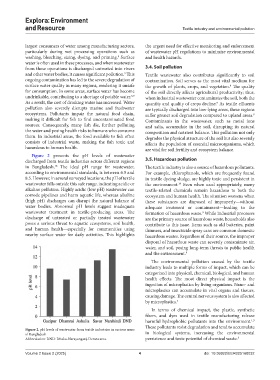
              Figure  2 presents the pH levels of wastewater
            discharged from textile industries across different regions   3.5. Hazardous pollution
            in  Bangladesh.   The  ideal  pH  range  for  wastewater,   The textile industry is also a source of hazardous pollutants.
                        18
            according to environmental standards, is between 6.5 and   For example, chlorophenols, which are frequently found
            8.5. However, in several surveyed locations, the pH of textile   in textile dyeing sludge, are highly toxic and persistent in
            wastewater falls outside this safe range, indicating acidic or   the environment.  Even when used appropriately, many
                                                                             19
            alkaline pollution. Highly acidic (low pH) wastewater can   textile-related chemicals remain hazardous to both the
            corrode pipelines and harm aquatic life, whereas alkaline   ecosystem and human health. The situation worsens when
            (high pH) discharges can disrupt the natural balance of   these substances are disposed of improperly—without
            water bodies. Abnormal pH levels suggest inadequate   adequate  treatment  or  containment—leading  to  the
            wastewater treatment in textile-producing areas. The   formation of hazardous waste.  While industrial processes
                                                                                       9
            discharge of untreated or partially treated wastewater   are the primary source of hazardous waste, households also
            poses a serious threat to aquatic ecosystems, soil health,   contribute to this issue. Items such as old batteries, paint
            and human health—especially for communities using   thinners, and insecticide spray cans are common domestic
            nearby surface water for daily activities. This highlights   hazardous wastes. Regardless of their source, the improper
                                                               disposal of hazardous waste can severely contaminate air,
                                                               water, and soil, posing long-term threats to public health
                                                               and the environment. 9

                                                                 The environmental pollution caused by the textile
                                                               industry leads to multiple forms of impact, which can be
                                                               categorized into physical, chemical, biological, and human
                                                               health effects. The most direct physical impact is the
                                                               ingestion of microplastics by living organisms. Nano- and
                                                               microplastics can accumulate in vital organs and tissues,
                                                               causing damage. The central nervous system is also affected
                                                               by microplastics. 3

                                                                 In terms of chemical impact, the plastic, synthetic
                                                               fibers, and dyes used in textile manufacturing release
                                                               harmful hydrophobic pollutants into the environment.
                                                                                                            1,3
                                                               These pollutants resist degradation and tend to accumulate
            Figure 2. pH levels of wastewater from textile industries in various areas
            of Bangladesh                                      in biological systems, increasing the environmental
            Abbreviation: DND: Dhaka-Narayanganj-Demra area.   persistence and toxic potential of chemical waste. 3


            Volume 2 Issue 2 (2025)                         4                           doi: 10.36922/EER025160032

