


Page 85 - IMO-1-1
P. 85
Innovative Medicines & Omics                                                           Smp43 peptide


            breast cancer cell lines have shown that Smp43 can induce   systemic toxicity, potentially affecting vital organs such
            apoptosis, inhibit proliferation, and reduce metastatic   as the liver and kidneys. Comprehensive preclinical and
            potential. In animal models of breast cancer, Smp43 has   clinical studies are essential to assess safe dosage levels
            been shown to reduce tumor growth and metastasis. In   and administration  regimens. Other  side  effects  may
            lung cancer cells, Smp43 induces apoptosis through both   include  pain,  redness,  and swelling  at the  injection  site,
            intrinsic and extrinsic pathways, inhibits proliferation   which are typical of many peptide therapies and usually
            through cell cycle arrest, and activates the DNA damage   temporary. Local inflammation may occur, especially with
            response. It also reduces colon cancer cell migration and   intramuscular or subcutaneous injections. There is a risk
            invasion by downregulating MMPs, inhibiting EMT, and   of unintended immunosuppression or changes in immune
            decreasing angiogenesis to limit tumor blood supply. 7,16  function, and the peptide could potentially induce
              In leukemia cell lines, Smp43 promotes apoptosis   autoimmune responses by altering immune tolerance. 14,28
            through caspase activation and mitochondrial disruption   Since peptides derived from scorpion venom might
            and inhibits cell growth by interfering with critical   affect neural tissues, there are concerns about potential
            signaling pathways. Various assays, such as MTT and   neurotoxic effects, including headaches, dizziness, or
            MTS, are used to assess Smp43’s cytotoxic effects on   changes in sensory perception. Some venom-derived
            cancer cells. Flow cytometry techniques measure apoptosis   peptides can influence neuronal excitability, which could
            levels, including caspase activity and Annexin-V staining.   increase the risk of seizures or convulsions, though
            Previous research using mouse models of different cancers   specific studies would be needed to confirm this. Systemic
            (breast, lung, and colon) has evaluated Smp43’s therapeutic   administration of the peptide might lead to gastrointestinal
            potential by  measuring  tumor  growth,  metastasis,  and   issues, such as diarrhea or discomfort. There could also be
            overall survival. These in vivo studies have also assessed the   effects on cardiovascular function, such as changes in blood
            safety and potential side effects of Smp43, which are crucial   pressure or heart rate, which may require monitoring,
            for its development as a therapeutic agent. Smp43 could   especially in individuals with existing cardiovascular
            be developed as a standalone anticancer treatment or used   conditions. Cardiac rhythm alterations might also be a
            in combination with chemotherapy, radiation, or targeted   concern, necessitating careful assessment during clinical
            therapies to enhance efficacy and address resistance. 27  trials. 29
            3.2. Smp43’s effects on normal cells: Negative effect  Smp43 could interact with other drugs or therapies,
            Managing potential side effects is critical when using   potentially affecting their effectiveness or increasing the
            naturally derived therapeutic agents like Smp43, which is   risk of adverse effects. Therefore, thorough drug interaction
            derived from scorpion venom. Smp43 has been shown to   studies are necessary. Preclinical studies should be
            have side effects on different biological systems (Table 2).   conducted in animal models to identify potential toxicity,
            Common side effects include redness, itching, swelling,   organ-specific effects, and maximum tolerated doses.
            and rash at the injection site, or even systemic reactions,   Assessing allergenicity in preclinical studies is important
            with severe cases potentially leading to anaphylaxis, a   to detect possible allergic reactions. Dose-escalation
            serious, life-threatening allergic reaction. As a derivative of   studies will help establish the maximum safe dose and
            scorpion venom, Smp43 might provoke immune responses   observe dose-dependent side effects. During clinical trials,
            in certain individuals, leading to allergic reactions. High   close patient monitoring for adverse effects is essential,
            doses or prolonged use of Smp43 could also result in   with protocols in place for managing and mitigating these

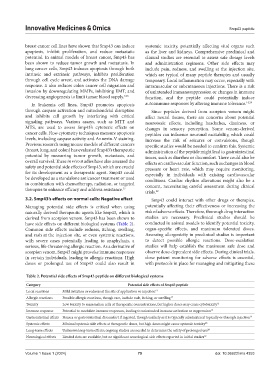
            Table 2. Potential side effects of Smp43 peptide on different biological systems

            Category                                   Potential side effects of Smp43 peptide
            Local reactions  Mild irritation or redness at the site of application or injection 14
            Allergic reactions  Possible allergic reactions, though rare, include rash, itching, or swelling 14
            Toxicity        Low toxicity to mammalian cells at therapeutic concentrations, but higher doses may cause cytotoxicity 12
            Immune response  Potential to modulate immune responses, leading to unintended immune activation or suppression 14
            Gastrointestinal effects Nausea or gastrointestinal discomfort if ingested, though unlikely as it is typically administered topically or through injection 14
            Systemic effects  Minimal systemic side effects at therapeutic doses, but high doses might cause systemic toxicity 28
            Long-term effects  Unknown long-term effects; ongoing studies are needed to determine the safety of prolonged use 28
            Neurological effects  Limited data are available, but no significant neurological side effects reported in initial studies 12


            Volume 1 Issue 1 (2024)                         79                               doi: 10.36922/imo.4353

