


Page 44 - JCAU-6-2
P. 44
Journal of Chinese
            Architecture and Urbanism                                          Regenerating tradition: Rural revitalization


            space. Species in the patches and corridors compete freely   3.2. Economic possibilities arising from a revitalized
            to improve and stabilize the ecosystem. The ecological   Li family’s agriculture
            ribbons also leverage residents’ traditional knowledge
            of plant use and experience in ditch construction. The   The  design  of green  infrastructure that  incorporates
            mountain soil excavated for the ditch system and the   traditional Li family’s agricultural practices offers
            agricultural straw produced by regular farming during this   possibilities for eco-agriculture, eco-finance, and cultural
            phase could be temporarily stockpiled to be used as raw   tourism in Yulong Village. Once the ecological network
            materials for the second phase of implementation.  of the entire Yulong Village has been virtually completed
                                                               and the new rural green infrastructure landscape is
              The next phase focuses on creating mangrove      essentially in place, tourist and visitor infrastructure
            ecosystems along the riverbanks. By this point, the density   could be added. Cycling routes within the existing road
            of  vegetation  in  the  ditches  and  corridors  has  increased   network could be installed. The topography affords
            through  the  autonomous  spread  of  plants  and  animals.   places for viewing platforms, offering excellent outlooks
            Mountain soils, agricultural residues, sediments carried by   of the landscape without disturbing the everyday lives
            the ditch system, and materials hoarded and decomposed   and production activities of the villagers. On the cycling
            in the first phase become the raw material for shaping   route,  tourists  could  observe  the  landscape  during  the
            the topography of the riparian wetland system and serve   Li villagers’ harvest season, watch cattle treading and
            as fertilizer for soil restoration. This phase also provides   aerating the fields, witness harvest-gathering activities,
            additional work opportunities for villagers during their   and  experience  other  traditional Li family’s agricultural
            agricultural downtime (Figure 14).                 activities. At different viewing platforms, tourists will
              The staged construction approach allows the      have the opportunity to enjoy the landscape beauty of
            ecosystem of the entire area sufficient time for   Yulong Village’s sloping Shanlan rice terraces and smell
            viability and self-improvement, minimizing the loss   the unique aroma emitted from the mountain orchid rice.
            in the income stream of the residents throughout the   Walking through the streets of Yulong Village, visitors
            implementation cycle. The incremental phasing would   can encounter Li women weaving in front of their houses
            closely reintegrate the daily activities and labor of local   and courtyards, wander among the poultry and animals
            residents with the natural environment, revitalizing   walking along the streets, and hear the chirping of birds
            the traditionally close relationship between Li family’s   and insects attracted by the green infrastructure system.
            agriculture and local ecosystems. By participating in   In such a landscape space, the residents of Yulong Village
            the process of ecosystem creation, the often-overlooked   themselves  are  a  living  embodiment  of  the  continued
            value of the villagers’ traditional agricultural beliefs and   vitality of traditional Li family’s agriculture and engage
            practices is effectively realized. This model reduces the   in its active dissemination through acts of sharing rather
            costs and total carbon emissions of the implementation   than performance. Tourists visiting Yulong Village would
            process and allows for the recycling of agricultural   gain a better insight into authentic Li family’s traditional
            resources (Figure 15).                             culture compared to tourist attractions that rely on


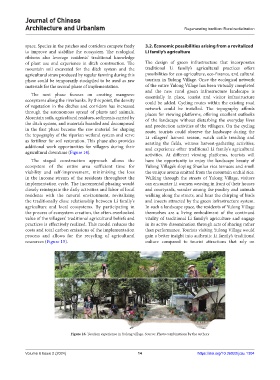
                               Figure 16. Tourism experience in Yulong village. Source: Photo combinations by the authors


            Volume 6 Issue 2 (2024)                         14                       https://doi.org/10.36922/jcau.1304

