


Page 73 - JCBP-1-2
P. 73
Journal of Clinical and
            Basic Psychosomatics                                                  The psychosomatic digestive in China


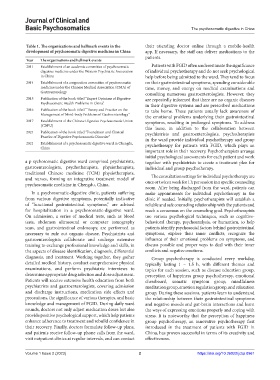
            Table 1. The organizations and hallmark events in the   their  attending  doctor  online  through a  mobile-health
            development of psychosomatic digestive medicine in China  app. If necessary, the staff can deliver medications to the
                                                               patients.
            Year  The organizations and hallmark events
            2011  Establishment of an academic committee of psychosomatic   Patients with FGID often underestimate the significance
                  digestive medicine under the Western Psychiatric Association   of individual psychotherapy and do not seek psychological
                  in China                                     help before being admitted to the ward. They tend to focus
            2014  Establishment of a cooperation committee of psychosomatic   on their gastrointestinal symptoms, spending considerable
                  medicine under the Chinese Medical Association (CMA) of   time,  money,  and  energy  on  medical  examinations  and
                  Gastroenterology                             consulting numerous gastroenterologists. However, they
            2015  Publication of the book titled “Expert Opinions of Digestive   are repeatedly informed that there are no organic diseases
                  Psychosomatic Health Problems in China”      in their digestive systems and are prescribed medications
            2016  Publication of the book titled “Theory and Practice on the   to take home. These patients usually lack awareness of
                  Management of Mind-body Problems of Gastroenterology”
                                                               the emotional problems underlying their gastrointestinal
            2017  Establishment of the Chinese Digestive Psychosomatic Union   symptoms, resulting in prolonged symptoms. To address
                  (CDPU)                                       this issue, in addition to the collaboration between
            2021  Publication of the book titled “Foundation and Clinical   psychiatrists and gastroenterologists, psychotherapists
                  Practice of Digestive Psychosomatic Disorder”  in the ward provide individual psychotherapy and group
            2021  Establishment of a psychosomatic digestive ward in Chengdu,   psychotherapy for patients with FGID, which plays an
                  China
                                                               important role in their recovery. Psychotherapists arrange
                                                               initial psychological assessments for each patient and work
            a p sychosomatic digestive ward comprised psychiatrists,   together with psychiatrists to create a treatment plan for
            gastroenterologists, psychotherapists, physiotherapists,   individual and group psychotherapy.
            traditional Chinese medicine (TCM) physiotherapists,
            and nurses, forming an integrative treatment model of   The consultation settings for individual psychotherapy are
            psychosomatic medicine in Chengdu, China.          once or twice a week for 1 h per session in a specific counseling
                                                               room. After being discharged from the ward, patients can
              In a psychosomatic-digestive clinic, patients suffering   make appointments for individual psychotherapy in the
            from  various  digestive  symptoms,  potentially  indicative   clinic if needed. Initially, psychotherapists will establish a
            of “functional gastrointestinal symptoms,” are advised   reliable and safe counseling relationship with the patients and
            for hospitalization in a psychosomatic-digestive ward.   reach a consensus on the counseling goal. Psychotherapists
            On  admission,  a  series  of  medical  tests,  such  as  blood   use various psychological techniques, such as cognitive-
            tests, abdomen ultrasound or computer tomography   behavioral therapy, psychoanalysis, or humanism, to help
            scan, and gastrointestinal endoscopy, are performed as   patients identify psychosocial factors behind gastrointestinal
            necessary to rule out organic disease. Psychiatrists and   symptoms, explore their inner conflicts, recognize the
            gastroenterologists collaborate and undergo extensive   influence of their emotional problems on symptoms, and
            training to exchange professional knowledge and skills, in   discuss possible and proper ways to deal with their inner
            the aspects of disease identification, diagnosis, differential   conflicts and negative emotions.
            diagnosis, and treatment. Working together, they gather   Group psychotherapy is conducted every workday,
            detailed medical history, conduct comprehensive physical   typically lasting 1 – 1.5  h, with different themes and
            examinations, and perform psychiatric interviews to   topics for each session, such as disease education group,
            determine appropriate drug selection and dose adjustment.   perception of happiness group psychotherapy, emotional
            Patients will receive extensive health education from both   chessboard, somatic symptom group, mindfulness
            psychiatrists and gastroenterologists, covering admission   meditation group, emotion regulation group, and relaxation
            and discharge instructions, medication side effects and   group. During these sessions, patients learn to understand
            precautions, the significance of various therapies, and basic   the relationship between their gastrointestinal symptoms
            knowledge and management of FGID. During daily ward   and negative moods and gut-brain interactions and learn
            rounds, doctors not only adjust medication doses but also   the ways of expressing emotions properly and coping with
            provide positive psychological support, which help patients   stress. It is noteworthy that the perception of happiness
            enhance adherence to treatment and rebuild confidence in   group psychotherapy, an innovative psychotherapy first
            their recovery. Finally, doctors formulate follow-up plans,   introduced in  the  treatment of  patients with FGID  in
            and patients receive follow-up phone calls from the ward,   China, has proven successful in terms of its creativity and
            visit outpatient clinics at regular intervals, and can contact   effectiveness.


            Volume 1 Issue 2 (2023)                         2                        https://doi.org/10.36922/jcbp.0961

