


Page 101 - JCBP-2-4
P. 101
Journal of Clinical and
            Basic Psychosomatics                                                 Recurrent catatonia in a complex patient


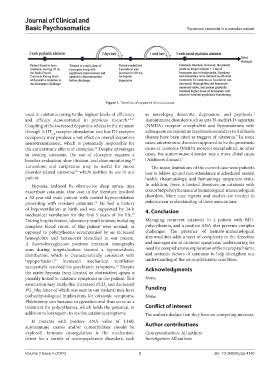
                                              Figure 1. Timeline of inpatient clinical course

            used in catatonia owing to the highest levels of efficiency   as  narcolepsy,  dementia,  depression,  and  psychosis.
                                                                                                             3
            and efficacy demonstrated in previous research. 14-17    Autoimmune disorders such as anti-N-methyl-D-aspartate
            Coupling of the increased dopamine release in the striatum   (NMDA) receptor encephalitis and hyponatremia with
            through 5-HT receptor stimulation and low D2 receptor   subsequent extrapontine myelinosis secondary to Addison’s
                       1A
                                                                                                     3
            occupancy may produce a net effect on overall dopamine   disease have been cited as triggers of catatonia.  In some
            neurotransmission, which is potentially responsible for   cases, autoimmune disorders appeared to be the proximate
            the anticatatonic effects of clozapine.  Despite advantages   cause of catatonia (NMDA receptor encephalitis); in other
                                         14
            in treating catatonia, the use of clozapine requires a   cases, the autoimmune disorder was a more distal cause
            baseline evaluation, slow titration, and close monitoring.    (Addison’s disease). 3
                                                         14
            Lurasidone and cariprazine may be useful for mood    The major limitations of the current case were patient’s
            disorder-related catatonia,  which justifies its use in our   loss to follow-up and non-attendance at scheduled mental
                                 18
            patient.                                           health, rheumatology, and hematology outpatient visits.
              Hypoxia, induced by obstructive sleep apnea, may   In addition, there is limited literature on catatonia with
            exacerbate  catatonia.  One  case  in  the  literature  involved   comorbid polycythemia and hematological-immunological
            a 20-year-old male  patient with  central  hypoventilation   disorders.  More  case  reports and  studies  are  needed to
            presenting with resistant catatonia.  He had a history   enhance our understanding of these associations.
                                         19
            of hypoventilation at birth and was supported by 24-h   4. Conclusion
            mechanical ventilation for the first 5  years of his life.
                                                         19
            During hospitalization, laboratory result indexes, including   Managing recurrent catatonia in a patient with BD1,
            complete blood count, of this patient were normal, as   polycythemia, and a positive ANA titer presents complex
            opposed to polycythemia accompanied by an increased   challenges. The presence of hemato-immunological
            hemoglobin and hematocrit identified in our patient.   abnormalities adds a layer of complexity to the detection
            A  fluorodeoxyglucose positron emission tomography   and management of catatonic symptoms, underscoring the
            scan during hospitalization showed a hypometabolic   need for comprehensive exploration of the neuropsychiatric
            distribution, which is characteristically consistent with   and systemic factors of catatonia to help strengthen our
            hypoperfusion. 19  Increased  mechanical  ventilation  understanding of the neuropsychiatric condition.
                                                  19
            successfully resolved his psychiatric symptoms.  Despite   Acknowledgments
            the rarity, hypoxia from (central or obstructive) apnea is
            possibly linked to catatonic symptoms in our patient. This   None.
            association may imply that increased PCO  and decreased
                                              2
            PO  (the latter of which was seen in our patient) may have   Funding
              2
            pathophysiological implications for catatonic symptoms.   None.
            Phlebotomy can increase oxygenation and thus serve as a
            treatment for polycythemia, which holds the potential, in   Conflict of interest
            addition to lorazepam, to resolve catatonia symptoms.  The authors declare that they have no competing interests.
              In patients with positive ANA value of 1:160,
            autoimmune  causes  and/or  comorbidities  should  be   Author contributions
            explored. Immune dysregulation is the mechanistic   Conceptualization: All authors
            driver for a variety of neuropsychiatric disorders, such   Investigation: All authors


            Volume 2 Issue 4 (2024)                         3                               doi: 10.36922/jcbp.4140

