


Page 44 - MI-2-1
P. 44
Microbes & Immunity                                                    iPSC-derived NK cell immunotherapy


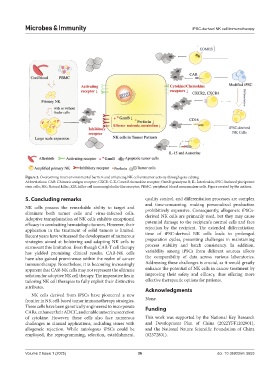
            Figure 2. Overcoming microenvironmental barriers and enhancing NK cell antitumor activity through gene editing
            Abbreviations: CAR: Chimeric antigen receptor; CXCR: C-X-C motif chemokine receptor; GzmB: granzyme B; IL: Interleukin; iPSC: Induced pluripotent
            stem cells; NK: Natural killer; KIR: killer-cell immunoglobulin-like receptor; PBMC: peripheral blood mononuclear cells. Figure created by the authors.

            5. Concluding remarks                              quality control, and differentiation processes are complex
                                                               and time-consuming, making personalized production
            NK cells possess the remarkable ability to target and   prohibitively expensive. Consequently, allogeneic iPSCs-
            eliminate both tumor cells and virus-infected cells.
            Adoptive transplantation of NK cells exhibits exceptional   derived NK cells are primarily used, but they may cause
                                                               potential damage to the recipient’s normal cells and face
            efficacy in combatting hematologic tumors. However, their   rejection by the recipient. The extended differentiation
            application in the treatment of solid tumors is limited.
            Recent years have witnessed the development of numerous   time of iPSC-derived NK cells leads to prolonged
            strategies aimed at bolstering and adapting NK cells to   preparation  cycles,  presenting  challenges  in  maintaining
            surmount this limitation. Even though CAR-T cell therapy   process stability and  batch  consistency.  In addition,
            has yielded promising clinical results, CAR-NK cells   variability among iPSCs from different sources affects
            have also gained prominence within the realm of cancer   the comparability of data across various laboratories.
            immunotherapy. Nonetheless, it is becoming increasingly   Addressing these challenges is crucial, as it would greatly
            apparent that CAR-NK cells may not represent the ultimate   enhance the potential of NK cells in cancer treatment by
            solution for adoptive NK cell therapy. The imperative lies in   improving their safety and efficacy, thus offering more
            tailoring NK cell therapies to fully exploit their distinctive   effective therapeutic options for patients.
            attributes.                                        Acknowledgments

              NK cells derived from iPSCs have pioneered a new
            frontier in NK cell-based tumor immunotherapy strategies.   None.
            These cells have been genetically engineered to incorporate   Funding
            CARs, enhance their ADCC, and enable autocrine secretion
            of cytokine. However, these cells also face numerous   This work was supported by the National Key Research
            challenges in clinical applications, including issues with   and Development Plan of China (2022YFF1202901),
            allogeneic rejection. While autologous iPSCs could be   and the National Nature Scientific Foundation of China
            employed, the reprogramming, selection, establishment,   (82372801).


            Volume 2 Issue 1 (2025)                         36                               doi: 10.36922/mi.5653

