


Page 12 - MI-2-2
P. 12
Microbes & Immunity                                                 Broad-spectrum health benefits of honey


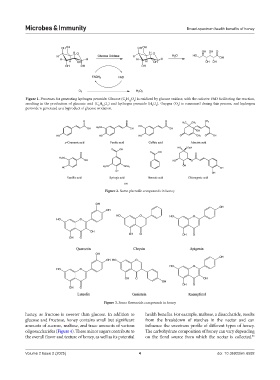
            Figure 1. Processes for generating hydrogen peroxide: Glucose (C H O ) is oxidized by glucose oxidase, with the cofactor FAD facilitating the reaction,
                                                          6
                                                        12
                                                      6
            resulting in the production of gluconic acid (C H O ) and hydrogen peroxide (H O ). Oxygen (O ) is consumed during this process, and hydrogen
                                             12
                                               7
                                                                             2
                                                                   2
                                                                  2
                                           6
            peroxide is generated as a byproduct of glucose oxidation.


                                              Figure 2. Some phenolic compounds in honey


                                             Figure 3. Some flavonoids compounds in honey

            honey, as  fructose is sweeter than glucose. In addition to   health benefits. For example, maltose, a disaccharide, results
            glucose and fructose, honey contains small but significant   from the breakdown of starches in the nectar and can
            amounts of sucrose, maltose, and trace amounts of various   influence the sweetness profile of different types of honey.
            oligosaccharides (Figure 4). These minor sugars contribute to   The carbohydrate composition of honey can vary depending
            the overall flavor and texture of honey, as well as its potential   on the floral source from which the nectar is collected.
                                                                                                            35

            Volume 2 Issue 2 (2025)                         4                                doi: 10.36922/mi.6592

