


Page 42 - MI-2-3
P. 42
Microbes & Immunity                                             Probiotics from ancient wisdom to modern days


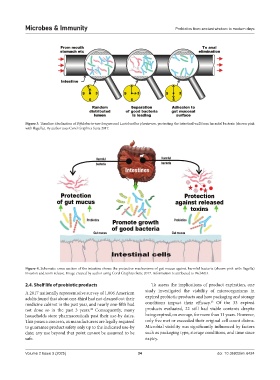
            Figure 3. Timeline idealization of Bifidobacterium longum and Lactobacillus plantarum, protecting the intestinal wall from harmful bacteria (shown pink
            with flagella). By author uses Corel Graphics Suite 2017.


            Figure 4. Schematic cross-section of the intestine shows the protective mechanisms of gut mucus against harmful bacteria (shown pink with flagella)
            invasion and toxin release. Image created by author using Corel Graphics Suite 2017. Information is attributed to WebMD.

            2.4. Shelf life of probiotic products                To assess the implications of product expiration, one
            A 2017 nationally representative survey of 1,006 American   study investigated the viability of microorganisms in
            adults found that about one-third had not cleaned out their   expired probiotic products and how packaging and storage
                                                                                           23
            medicine cabinet in the past year, and nearly one-fifth had   conditions impact their efficacy.  Of the 33 expired
            not done so in the past 3  years.  Consequently, many   products evaluated, 22 still had viable contents despite
                                        22
            households store pharmaceuticals past their use-by dates.   being expired, on average, for more than 11 years. However,
            This poses a concern, as manufacturers are legally required   only five met or exceeded their original cell count claims.
            to guarantee product safety only up to the indicated use-by   Microbial viability was significantly influenced by factors
            date; any use beyond that point cannot be assumed to be   such as packaging type, storage conditions, and time since
            safe.                                              expiry.


            Volume 2 Issue 3 (2025)                         34                               doi: 10.36922/mi.6424

