


Page 135 - MI-2-4
P. 135
Microbes & Immunity                                            Oxidative toxicity and folate in HIV on DTG-ART


                                                               depletion predisposes patients to megaloblastic anemia
                                                               and impaired immune recovery.  More importantly,
                                                                                           27
                                                               maternal folate deficiency has been consistently linked to
                                                               NTDs, raising major public health concerns for women
                                                               of reproductive age receiving DTG-based ART. Our
                                                               findings align with prior reports showing reduced folate
                                                               levels among ART-experienced populations, 28,29  though
                                                               they contrast with recent clinical trial data from Barlow-
                                                               Mosha  et al.,  which demonstrated more pronounced
                                                                          30
                                                               folate changes. Such discrepancies may reflect differences
                                                               in baseline nutritional status, treatment duration, or
                                                               population characteristics.
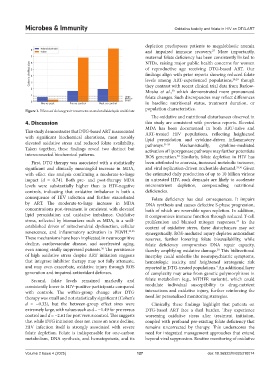
            Figure 1. Effects of dolutegravir treatment on malondialdehyde and folate
                                                                 The oxidative and nutritional disturbances observed in
            4. Discussion                                      this study are consistent with previous reports. Elevated
                                                               MDA has been documented in both ART-naïve and
            This study demonstrates that DTG-based ART is associated   ART-treated HIV populations, reflecting heightened
            with  significant  biochemical  alterations,  most  notably   lipid peroxidation and cytokine-driven inflammatory
            elevated oxidative stress and reduced folate availability.   pathways. 31-33  Mechanistically,  cytokine-mediated
            Taken together, these findings reveal two distinct but   activation of lipoxygenase pathways may further potentiate
            interconnected biochemical patterns.               ROS  generation.   Similarly,  folate  depletion  in  HIV  has
                                                                            34
              First, DTG therapy was associated with a statistically   been attributed to anorexia, increased metabolic turnover,
            significant and clinically meaningful increase in MDA,   and viral replication-driven nucleotide demand. 35,36  Given
            with  effect  size analysis  confirming  a moderate-to-large   the estimated daily production of up to 10 billion virions
            impact (d = 0.74). Both pre-  and post-therapy MDA   in untreated HIV, such demands are likely to accelerate
            levels were substantially higher than in HIV-negative   micronutrient depletion, compounding nutritional
            controls, indicating that oxidative imbalance is both a   deficiencies.
            consequence of HIV infection and further exacerbated   Folate  deficiency has dual consequences.  It impairs
            by  ART. The  moderate-to-large  increase in  MDA   DNA synthesis and causes defective S-phase progression,
            concentrations post-treatment is consistent with elevated   both of which are reversible upon repletion. In addition,
            lipid  peroxidation  and  oxidative  imbalance.  Oxidative   it compromises immune function through reduced T-cell
            stress,  reflected  by biomarkers such as MDA, is  a well-  proliferation and blunted mitogen responses.  In the
                                                                                                      37
            established driver of mitochondrial dysfunction, cellular   context of oxidative stress, these disturbances may act
            senescence, and inflammatory activation in PLWH. 24,25    synergistically. ROS-mediated injury depletes antioxidant
            These mechanisms have been implicated in neurocognitive   reserves, further lowering folate bioavailability, while
            decline, cardiovascular disease, and accelerated aging,   folate  deficiency  compromises  DNA  repair  capacity,
            even among virally suppressed patients.  The persistence   thereby amplifying oxidative damage.  This bidirectional
                                            26
                                                                                             38
            of high oxidative stress despite ART initiation suggests   interplay could underlie the neuropsychiatric symptoms,
            that integrase inhibitor therapy may not fully attenuate,   hematologic toxicity, and heightened teratogenic risk
            and may even exacerbate, oxidative injury through ROS   reported in DTG-treated populations.  An additional layer
                                                                                             4
            generation and impaired antioxidant defenses.      of complexity may arise from genetic polymorphisms in
              Second,  folate  levels  remained  markedly  and   folate metabolism (e.g., MTHFR variants), which could
            consistently lower in HIV-positive participants compared   modulate individual susceptibility to drug-nutrient
            with controls. The within-group change after DTG   interactions and oxidative injury, further reinforcing the
            therapy was small and not statistically significant (Cohen’s   need for personalized monitoring strategies.
            d = −0.33), but the between-group effect sizes were   Clinically, these findings highlight that patients on
            extremely large, with values such as d = −1.49 for pre versus   DTG-based ART face a dual burden. They experience
            control and d = −2.61 for post versus control. This suggests   worsening oxidative stress after treatment initiation,
            that while DTG initiation does not cause an acute decline,   coupled with profound pre-existing folate deficiency that
            HIV  infection  itself  is  strongly  associated  with  severe   remains uncorrected by therapy. This underscores the
            folate depletion. Folate is indispensable for one-carbon   need for integrated management approaches that extend
            metabolism, DNA synthesis, and hematopoiesis, and its   beyond viral suppression. Routine monitoring of oxidative


            Volume 2 Issue 4 (2025)                        127                           doi: 10.36922/MI025310074

