


Page 58 - AN-4-4
P. 58
Advanced Neurology                                                     Covert cerebral small vessel disease


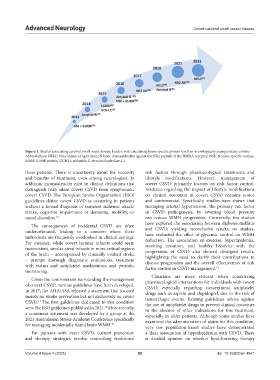
            Figure 1. Studies associating cerebral small vessel disease burden with circulating brain-specific protein levels in neurologically asymptomatic cohorts.
            Abbreviations: NFLC: Neurofilament light chain; NR2ab: Autoantibodies against the NR2 peptide of the NMDA receptor; NSE: Neuron-specific enolase,
            S100B: S100B protein, UCHL1: ubiquitin C-terminal hydrolase-L1.

            these patients. There is uncertainty about the necessity   risk factors through  pharmacological treatments and
            and benefits of treatment, even among neurologists. In   lifestyle modifications.  However,  management of
            addition, inconsistencies exist in clinical definitions that   covert  CSVD  primarily  focuses  on  risk  factor  control.
            distinguish truly silent covert  CSVD  from symptomatic   Evidence regarding the impact of lifestyle modifications
            covert  CSVD.  The  European  Stroke  Organization  (ESO)   on clinical outcomes in covert CSVD remains scarce
            guidelines define covert CSVD as occurring in patients   and controversial. Specifically, studies have shown that
            without a formal diagnosis of transient ischemic attack/  managing arterial hypertension, the primary risk factor
            stroke, cognitive impairment or dementia, mobility, or   in CSVD pathogenesis, by lowering blood pressure
            mood disorders. 12                                 can reduce WMH progression. Conversely, few studies
              The consequences of incidental CSVD are often    have explored the association between diabetes mellitus
            underestimated, leading to a concern where these   and CSVD, yielding inconclusive results; no studies,
            individuals are frequently overlooked in clinical settings.   have  evaluated  the  effect of  glycemic  control on  WMH
            For instance, while covert lacunar infarcts could seem   reduction. The association of exercise, hyperlipidemia,
            inconsistent, similar-sized infarcts in more critical regions   smoking cessation, and healthy lifestyles with the
                                                               progression  of  CSVD  also  showed  divergent  results,
            of the brain – accompanied by clinically evident stroke   highlighting the need to clarify their contributions to
            – prompt thorough diagnostic evaluations, treatment   disease progression and the overall effectiveness of risk
            with statins and antiplatelet medications, and periodic   factor control in CSVD management. 12
            monitoring.
                                                                 Clinicians are more reticent when considering
              Given the controversies surrounding the management
            of covert CSVD, various guidelines have been developed.   pharmacological interventions for individuals with covert
                                                               CSVD, especially regarding conventional antiplatelet
            In 2017, the AHA/ASA released a statement that focused   drugs such as aspirin and clopidogrel, due to the risk of
            mainly on stroke prevention but not exclusively on covert   hemorrhagic  events.  Existing  guidelines  advise  against
            CSVD. The first guidelines dedicated to this condition   the use of antiplatelet drugs to prevent clinical outcomes
                 13
            were the ESO guidelines published in 2021. More recently,   in the absence of other indications for this treatment,
                                              12
            a consensus statement was developed by a group at the   especially in older patients. Although some studies have
            2021 Australasian Stroke Academy Conference specifically   examined the administration of statin for this condition,
            for managing incidentally found brain WMH. 44      very few population-based studies have demonstrated
              For patients with overt CSVD, current prevention   a  clear  association  of  hyperlipidemia  with  CSVD.  There
            and  therapy  strategies  involve  controlling  traditional   is divided opinion on whether lipid-lowering therapy


            Volume 4 Issue 4 (2025)                         52                               doi: 10.36922/an.4841

