


Page 59 - AN-4-4
P. 59
Advanced Neurology                                                     Covert cerebral small vessel disease


            with statins should be  implemented for covert CSVD.   Although the LACI-2 trial was conducted in
            Nonetheless, statins possess additional pharmacological   clinical lacunar stroke patients, these promising
            effects, exhibiting direct endothelial and anti-inflammatory   results could help in designing future trials not only
            properties, which may benefit CSVD. The ESO guidelines   for  symptomatic  lacunar  stroke  but  also  for  treating
            recommended the use of statins, given that covert CSVD   covert CSVD using endothelial-active drugs such as
            is associated with an increased risk of vascular events and   ISMN and cilostazol. There is extensive experience with
            that lipid-lowering has been proven beneficial in primary   both drugs for the treatment of ischemic heart disease,
            prevention. 12                                     peripheral vascular disease, or secondary prevention of
                                                               atherothromboembolic stroke. Moreover, they are widely
              The  pathogenesis  of  CSVD  fundamentally  differs
            from that of other stroke etiologies. It is characterized by   available and inexpensive. This combination could be
            perforating arteriolar disorder with dysfunction of the small   tested in covert CSVD to delay cognitive decline and
            vessel endothelium, which compromises blood supply to   prevent other adverse outcomes in patients with a higher
            subcortical tissues. Therefore, treatments should target the   disease burden. The findings from the LACI-2 trial
            underlying pathogenic mechanisms and be investigated in   also support the repurposing of existing drugs and the
            well-characterized CSVD cohorts. The efficacy of drugs   development of new molecular candidates to improve
            designed to stabilize endothelial function on long-term   endothelial function.
            clinical, cognitive, and functional consequences of CSVD   Shortly  thereafter,  an international group  of  experts
            requires evaluation. Recently, endothelial-stabilizing drugs   convened under the auspices of the International Society
            such as isosorbide mononitrate (ISMN), a nitric oxide (NO)   of Vascular Behavioral and Cognitive Disorders proposed
            donor, and cilostazol, a phosphodiesterase-3 inhibitor   a framework for designing clinical trials in CSVD, known
            that augment the NO-cyclic guanosine monophosphate   as FINESSE. This group developed recommendations
            phosphodiesterase PDE5-inhibitor and the prostacyclin-  that included several key aspects: optimal choice of study
            cyclic adenosine monophosphate pathways, were      populations, clinical endpoints, the use of brain imaging
            investigated in the Lacunar Intervention Trial-2 (LACI-2).   as  a  surrogate  outcome  measure,  the  incorporation  of
            This trial demonstrated feasibility and safety, suggesting   circulating biomarkers for participant selection and as
            that this drug combination may reduce recurrent stroke,   surrogate markers, novel trial designs, and prioritization of
            dependence, and cognitive impairment following lacunar   therapeutic agents using genetic data through Mendelian
            ischemic stroke, warranting further testing in large phase   randomization. The main goal was to unify efforts to attain
            III trials. 45                                     sufficiently powered high-quality randomized clinical


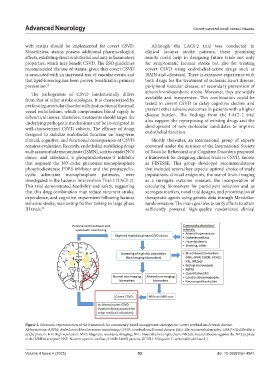
            Figure 2. Schematic representation of the framework for community-based management strategies for covert cerebral small vessel disease.
            Abbreviations: ABPM: Ambulatory blood pressure monitoring; CSVD: Cerebral small vessel disease; EEG: Electroencephalography; GFAP: Glial fibrillary
            acidic protein; HR: High resolution; MRI: Magnetic resonance imaging; NFL: Neurofilament light chain; NR2ab: Autoantibodies against the NR2 peptide
            of the NMDA receptor; NSE: Neuron-specific enolase, S100B: S100B protein, UCHL1: Ubiquitin C-terminal hydrolase-L1.


            Volume 4 Issue 4 (2025)                         53                               doi: 10.36922/an.4841

