


Page 16 - EJMO-9-3
P. 16
Eurasian Journal of
            Medicine and Oncology                              Progress in the research of pathology and therapy in liver fibrosis


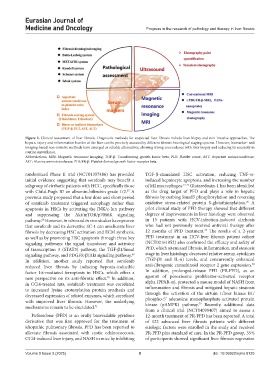
            Figure 2. Clinical assessment of liver fibrosis. Diagnostic methods for suspected liver fibrosis include liver biopsy and non-invasive approaches. The
            hepatic injury and inflammation burden of the liver can be precisely assessed by different fibrosis histological staging systems. However, biomarker- and
            imaging-based non-invasive methods have emerged as reliable alternatives, showing strong concordance with liver biopsy and reducing its necessity in
            routine surveillance.
            Abbreviations: MRI: Magnetic resonance imaging; TGF-β: Transforming growth factor beta; PLT: Platelet count; AST: Aspartate aminotransferase;
            ALT: Alanine aminotransferase; PDGFR-β: Platelet-derived growth factor receptor beta.


            randomized Phase II trial (NCT01357486) has provided   TGF-β-stimulated HSC activation, reducing TNF-α-
            initial evidence suggesting that sorafenib may benefit a   induced hepatocyte apoptosis, and increasing the number
            subgroup of cirrhotic patients with HCC, specifically those   of M2 macrophages. 72-75  Glutaredoxin-1 has been identified
                                                       67
            with Child-Pugh B7 or albumin-bilirubin grade 1/2.  A   as the drug target of PFD and plays a role in hepatic
            previous study proposed that a low dose and short period   fibrosis by curbing Smad3 phosphorylation and reversing
                                                                                                          76
            of sorafenib treatment triggered autophagy rather than   oxidative stress-related protein S-glutathionylation.  A
            apoptosis in HSCs by activating the JNK/c-Jun pathway   pilot clinical study of PFD therapy showed that different
            and suppressing the Akt/mTOR/p70S6K signaling      degrees of improvements in liver histology were observed
            pathway.  However, in vitro and in vivo studies have proven   in 15  patients with HCV-infection-induced cirrhosis
                   68
            that sorafenib and its derivative SC-1 can ameliorate liver   who had not previously received antiviral therapy after
                                                                                        77
            fibrosis by decreasing HSC activation and ECM synthesis,   12  months of PFD treatment.  The results of a 2-year
            as well as by promoting HSC apoptosis through three key   PFD treatment in an HCV-liver fibrosis patient cohort
            signaling pathways: the signal transducer and activator   (NCT02161952) also confirmed the efficacy and safety of
            of transcription 3 (STAT3) pathway, the TGF-β1/Smad   PFD, which attenuated fibrosis, inflammation, and steatosis
            signaling pathway, and PDGFR-β/Akt signaling pathway.    stage in liver histology, decreased relative serum cytokines
                                                         69
            In addition, another study reported that sorafenib   (TGF-β1 and IL-6) levels, and concurrently enhanced
                                                                                                            78
            reduced liver fibrosis by inducing hypoxia‐inducible   anti-fibrogenic cannabinoid receptor 2 gene expression.
            factor 1α-mediated ferroptosis in HSCs, which offers a   In addition, prolonged-release PFD (PR-PFD), as an
            new perspective on its anti-fibrotic effect.  In addition,   agonist of peroxisome proliferator-activated receptor
                                               70
            in CCl4-treated rats, sorafenib treatment was correlated   alpha (PPAR-α), protected a mouse model of NASH from
            to increased lysine crotonylation protein synthesis and   inflammation and fibrosis and mitigated hepatic steatosis
            decreased expression of related enzymes, which correlated   through the activation of the sirtuin 1/liver kinase B1/
            with improved liver fibrosis. However, the underlying   phospho‐5’ adenosine monophosphate-activated protein
                                                                                      79
            mechanisms remain to be elucidated. 71             kinase  (pAMPK) pathway.   Recently,  additional  data
                                                               from a clinical trial (NCT04099407) aimed to assess a
              Pirfenidone (PFD) is an orally bioavailable pyridone   12-month treatment of PR-PFD has been reported. A total
            derivative that was first approved for the treatment of   of 122 advanced liver fibrosis patients with different
            idiopathic pulmonary fibrosis. PFD has been reported to   etiologic factors were enrolled in the study and received
            alleviate fibrosis associated with cystic echinococcosis,   PR-PFD plus standard of care. In the PR-PFD group, 35%
            CCl4-induced liver injury, and NASH in mice by inhibiting   of participants showed significant liver fibrosis regression


            Volume 9 Issue 3 (2025)                         8                               doi: 10.36922/ejmo.8125

