


Page 211 - EJMO-9-3
P. 211
Eurasian Journal of
            Medicine and Oncology                                              FN3K–Nrf2 axis inhibition in breast cancer


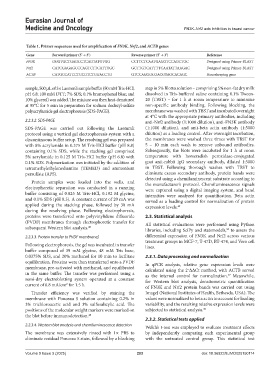
            Table 1. Primer sequences used for amplification of FN3K, Nrf2, and ACTB genes
            Gene       Forward primer (5’ → 3’)          Reverse primer (5’ → 3’)        Reference
            FN3K       GGGTGCTGAGCCTCAGTATGTGG           CCTTCTCAATGAGGTCCAGCTGC         Designed using Primer-BLAST
            Nrf2       CATCGAGAGCCCAGTCTTCATTTGC         GCTTGTCATTTTCAATATTAAGAC        Designed using Primer-BLAST
            ACTB       CATGCCATCCTGCGTCTGGACCTG          GTCCAGGGCGACGTAGCACAGC          Housekeeping gene


            sample, 500 µL of 3× Laemmli sample buffer (50 mM Tris-HCl,   step in 5% Blotto solution – comprising 5% non-fat dry milk
            pH 6.8; 100 mM DTT; 7% SDS; 0.1% bromophenol blue; and   dissolved in Tris-buffered saline containing 0.1% Tween-
            10% glycerol) was added. The mixture was then heat-denatured   20 (TBST) – for 1  h at room temperature to minimize
            at 95°C for 5 min in preparation for sodium dodecyl-sulfate   non-specific antibody binding. Following blocking, the
            polyacrylamide gel electrophoresis (SDS-PAGE).     membrane was washed with TBST and incubated overnight
                                                               at 4°C with the appropriate primary antibodies, including
            2.2.3.2. SDS-PAGE                                  anti-Nrf2 antibody (1:1000 dilution), anti-FN3K antibody
            SDS-PAGE was carried out following the Laemmli     (1:1000 dilution), and anti-beta actin antibody (1:5000
            protocol using a vertical gel electrophoresis system with a   dilution) as a loading control. After overnight incubation,
            discontinuous buffer setup. The resolving gel was prepared   the membranes were washed three times with TBST for
            with 8% acrylamide in 0.375 M Tris-HCl buffer (pH 8.8)   5 – 10  min each wash to remove unbound antibodies.
            containing 0.1% SDS, while the stacking gel comprised   Subsequently, the blots were  incubated for 1  h at room
            5% acrylamide in 0.125 M Tris-HCl buffer (pH 6.8) with   temperature  with  horseradish  peroxidase-conjugated
            0.1% SDS. Polymerization was initiated by the addition of   goat anti-rabbit IgG secondary antibody, diluted 1:5000
            tetramethylethylenediamine  (TEMED)  and  ammonium   in TBST. Following thorough washes with TBST to
            persulfate (APS).                                  eliminate excess secondary antibody, protein bands were
                                                               detected using a chemiluminescent substrate according to
              Protein samples were loaded into the wells, and   the manufacturer’s protocol. Chemiluminescence  signals
            electrophoretic separation was conducted in a running   were captured using a digital imaging system, and band
            buffer consisting of 0.025 M Tris-HCl, 0.192 M glycine,   intensities were analyzed for quantification. Beta actin
            and 0.1% SDS (pH 8.3). A constant current of 20 mA was   served as a loading control for normalization of protein
            applied during the stacking phase, followed by 30  mA   expression levels. 49
            during the resolving phase. Following electrophoresis,
            proteins were transferred onto polyvinylidene difluoride   2.3. Statistical analysis
            (PVDF) membranes through electrophoretic transfer for   All statistical evaluations were performed using Python
            subsequent Western blot analysis. 48               libraries, including SciPy and statsmodels,  to assess the
                                                                                                 50
            2.2.3.3. Protein transfer to PVDF membrane]        differential expression of FN3K and Nrf2 across various
                                                               treatment groups in MCF-7, T-47D, BT-474, and Vero cell
            Following electrophoresis, the gel was incubated in transfer   lines.
            buffer composed of  39 mM  glycine, 48 mM  Tris base,
            0.0375% SDS, and 20% methanol for 10 min to facilitate   2.3.1. Data processing and normalization
            equilibration. Proteins were then transferred onto a PVDF   In qPCR analysis, relative gene expression levels were
            membrane, pre-activated with methanol, and equilibrated   calculated using the 2⁻ΔΔCt method, with ACTB served
            in the  same buffer. The  transfer was  performed using a   as  the  internal  control  for  normalization.   Meanwhile,
                                                                                                  47
            semi-dry electroblotting system operated at a constant   for  Western  blot  analysis,  densitometric  quantification
            current of 0.8 mA/cm  for 1.5 h.                   of FN3K and Nrf2 protein bands was carried out using
                             2
              Transfer efficiency was verified by staining the   ImageJ (National Institutes of Health, Bethesda, USA). The
            membrane with Ponceau S solution containing 0.2% in   values were normalized to beta actin to account for loading
            3% trichloroacetic acid and 3% sulfosalicylic acid. The   variability, and the resulting relative expression levels were
            positions of the molecular weight markers were marked on   subjected to statistical analysis. 50
            the blot before immunodetection. 48
                                                               2.3.2. Statistical tests applied
            2.2.3.4. Western blot analysis and chemiluminescence detection  Welch’s t-test was employed to evaluate treatment effects
            The membrane was extensively rinsed with 1× PBS to   by independently comparing each experimental group
            eliminate residual Ponceau S stain, followed by a blocking   with the untreated control group. This statistical test


            Volume 9 Issue 3 (2025)                        203                         doi: 10.36922/EJMO025150114

