


Page 214 - EJMO-9-3
P. 214
Eurasian Journal of
            Medicine and Oncology                                              FN3K–Nrf2 axis inhibition in breast cancer


                                                               showed strong binding, interacting with CYS A:24, LYS
                                                               A:41, and ASP A:217, which are key active site residues.
                                                               This supports their potential as FN3K inhibitors. Ritonavir
                                                               (−8.7 kcal/mol) demonstrated a strong binding score
                                                               but interacted with fewer critical residues, indicating
                                                               potential, but possibly with reduced specificity for FN3K
                                                               inhibition.  In  contrast,  amiloride  (−6.9  kcal/mol)  and
                                                               1-DMF (−6.1  kcal/mol) displayed  weaker binding  and
                                                               fewer significant interactions, suggesting they may not
                                                               be ideal candidates as FN3K inhibitor. The 3D and 2D
                                                               protein–ligand interaction profiles of all six hit molecules,
                                                               including their binding residues and docking scores, are
                                                               presented in Figure S2.
                                                                 This study was intentionally structured as a focused
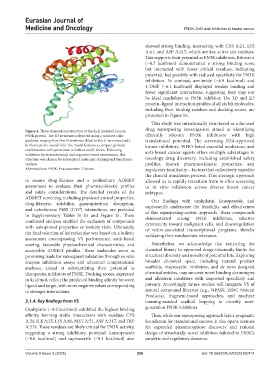
            Figure 4. Three-dimensional structure of the final modeled human   drug repurposing investigation aimed at identifying
            FN3K protein. The 3D structure is depicted using a rainbow color   clinically relevant FN3K inhibitors with high
            gradient, ranging from the N-terminus (blue) to the C-terminus (red),   translational potential. The screening FDA-approved
            to illustrate the overall fold. The model features a compact globular   kinase inhibitors, WHO-listed essential medicines, and
            conformation with prominent α-helices and β-sheets. Following   anti-breast cancer agents offers multiple advantages in
            validation by stereochemical and sequence-based assessments, this
            structure was chosen for subsequent molecular docking and functional   oncology drug discovery, including established safety
            analysis                                           profiles, known pharmacokinetic properties, and
            Abbreviations: FN3K: Fructosamine-3-kinase         regulatory familiarity – factors that collectively expedite
                                                               the clinical translation process. This strategic approach
            to ensure drug-likeness and a preliminary ADMET    allowed us to rapidly transition from in silico screening
            assessment to evaluate their pharmacokinetic profiles   to  in  vitro validation across diverse breast cancer
            and safety considerations. The detailed results of the   subtypes.
            ADMET screening, including physicochemical properties,   Our findings with oxaliplatin, lansoprazole, and
            drug-likeness, solubility, gastrointestinal absorption,
            and cytochrome P450 (CYP) interactions, are provided   capivasertib underscore the feasibility and effectiveness
                                                               of this repurposing-centric approach. These compounds
            in Supplementary Tables S1-S5 and Figure S1. These   demonstrated  strong  FN3K  inhibition,  selective
            combined  analyses  enabled  the  exclusion  of compounds   cytotoxicity toward malignant cells, and downregulation
            with  suboptimal  properties or  toxicity  risks. Ultimately,   of redox-associated transcriptional programs, thereby
            the final selection of hit molecules was based on a holistic   validating their mechanistic relevance.
            assessment encompassing VS performance, rank-based
            scoring, favorable physicochemical characteristics, and   Nonetheless, we acknowledge that restricting the
            acceptable  ADMET  profiles.  These  molecules  serve as   chemical library to approved drugs inherently limits the
            promising leads for subsequent validation through in vitro   structural diversity and novelty of potential hits. Exploring
            enzyme inhibition assays and advanced computational   broader chemical space, including natural product
            analyses, aimed at substantiating their potential as   scaffolds, macrocyclic inhibitors, and  de novo designed
            therapeutic inhibitors of FN3K. Docking scores, expressed   chemical entities, may uncover novel binding chemotypes
            in kcal/mol, reflect the predicted binding affinity between   and allosteric  inhibitors  with  improved  specificity and
            ligand and target, with more negative values corresponding   potency. Accordingly, future studies will integrate VS of
            to stronger interactions.                          natural compound libraries (e.g., NPASS, ZINC Natural
                                                               Products), fragment-based approaches, and machine
            3.1.4. Key findings from VS                        learning-assisted  scaffold  hopping  to  identify  next-
            Oxaliplatin (−9.2 kcal/mol) exhibited the highest binding   generation FN3K inhibitors.
            affinity, forming stable interactions with residues CYS   Thus, while our repurposing approach lays a pragmatic
            A:24, ILE A:25, LYS A:41, MET A:51, ASP A:217, and TRP   foundation for translational success, it also opens avenues
            A:219. These residues are likely critical for FN3K activity,   for expanded pharmacophore discovery and rational
            suggesting a strong inhibitory potential. Lansoprazole   design of structurally novel inhibitors tailored to FN3K’s
            (−8.6 kcal/mol) and capivasertib (−8.1 kcal/mol) also   catalytic and regulatory domains.


            Volume 9 Issue 3 (2025)                        206                         doi: 10.36922/EJMO025150114

