


Page 93 - GHES-1-1
P. 93
Global Health Econ Sustain                                            Impact of new drug indications in Brazil


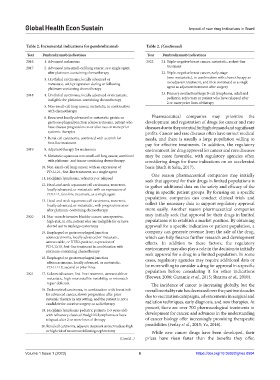
            Table 2. Incremental indications for pembrolizumab  Table 2. (Continued)
             Year  Pembrolizumab indications                    Year  Pembrolizumab indications
            2016    1. Advanced melanoma                       2022   21.   Triple-negative breast cancer, metastatic, as first-line
            2017    2.  Advanced non-small-cell lung cancer, as a single agent,   treatment
                     after platinum-containing chemotherapy           22.  Triple-negative breast cancer, early-stage
                    3.  Urothelial carcinoma, locally advanced or       (non-metastatic), in combination with chemotherapy as
                     metastatic, with progression during or following   neoadjuvant treatment, and then continued as a single
                     platinum-containing chemotherapy                   agent as adjuvant treatment after surgery
            2018    4.   Urothelial carcinoma, locally advanced or metastatic,   23.  Primary mediastinal large B-cell lymphoma, adult and
                     ineligible for platinum-containing chemotherapy    pediatric, refractory or patient who have relapsed after
                                                                        2 or more prior lines of therapy
                    5.  Non-small-cell lung cancer, metastatic, in combination
                     with chemotherapy
                    6.  Recurrent locally advanced or metastatic gastric or   Pharmaceutical companies may prioritize the
                     gastroesophageal junction adenocarcinoma, patient who   development and registration of drugs for cancer and rare
                     have disease progression on or after two or more prior   diseases due to the potential for high demand and significant
                     systemic therapies                        profits. Cancer and rare diseases often have unmet medical
                    7.  Renal cell carcinoma, combined with axitinib for   needs, and there is usually a large population willing to
                     first-line treatment                      pay for effective treatments. In addition, the regulatory
            2019    8. Adjuvant therapy for melanoma           environment for drug approval for cancer and rare diseases
                    9.  Metastatic squamous non-small-cell lung cancer, combined   may  be  more  favorable,  with  regulatory  agencies  often
                     with platinum- and taxane-containing chemotherapy  considering drugs for these indications on an accelerated
                   10.  Non-small-cell lung cancer, with an expression of   basis (Bach & Saltz, 2017).
                     PD-L1≥1, first-line treatment, as a single agent
                                                                 One reason pharmaceutical companies may initially
                   11. Hodgkin’s lymphoma, refractory or relapsed  seek that approval for their drugs in limited populations is
                   12.  Head-and-neck squamous cell carcinoma, recurrent,   to gather additional data on the safety and efficacy of the
                     locally advanced, or metastatic with an expression of
                     PDL1≥1, first-line treatment, as a single agent  drug in specific patient groups. By focusing on a specific
                   13.  Head-and-neck squamous cell carcinoma, recurrent,   population, companies can conduct clinical trials and
                     locally advanced, or metastatic, with progression on or   collect the necessary data to support regulatory approval
                     after platinum-containing chemotherapy    more easily. Another reason pharmaceutical companies
            2020   14.  Non-muscle invasive bladder cancer, unresponsive,   may initially seek that approval for their drugs in limited
                     high-risk, in situ, patient who are ineligible for or have   populations is to establish a market position. By obtaining
                     elected not to undergo cystectomy         approval for a specific indication or patient population, a
                   15.  Esophageal or gastroesophageal junction   company can generate revenue from the sale of the drug,
                     adenocarcinoma, locally advanced or metastatic,   which can help finance further research and development
                     unresectable, or HER2-positive, expression of   efforts.  In  addition  to  these  factors,  the  regulatory
                     PD-L1≥10, first-line treatment in combination with   environment may also play a role in the decision to initially
                     platinum-containing chemotherapy          seek approval for a drug in a limited population. In some
                   16.  Esophageal or gastroesophageal junction   cases, regulatory agencies may require additional data or
                     adenocarcinoma, locally advanced, or metastatic,
                     PD-L1≥10, second or prior lines           be more willing to consider a drug for approval in a specific
            2021   17.  Colorectal cancer, first-line treatment, unresectable or   population before considering it for other indications
                     metastatic, high microsatellite instability, or mismatch   (Brewer, 2006; Gammie et al., 2015; Sharma et al., 2010).
                     repair deficient                            The incidence of cancer is increasing globally, but the
                   18.  Endometrial carcinoma, in combination with lenvatinib   overall mortality rate has decreased over the past two decades
                     for advanced cancer, shows progression after prior   due to vaccination campaigns, advancements in surgical and
                     systemic therapy in any setting, and the patient is not a
                     candidate for curative surgery or radiotherapy  radiation techniques, early diagnosis, and new therapies. At
                   19.  Hodgkin’s lymphoma pediatric patients (>3 years old)   present, there are over 700 pharmacological treatments in
                     with refractory classical Hodgkin’s lymphoma or have   development for cancer, and advances in the understanding
                     relapsed after 2 or more lines of therapy  of cancer biology offer increasingly promising therapeutic
                   20.  Renal cell carcinoma, adjuvant treatment at intermediate-high   possibilities (Ferlay et al., 2015; Yu, 2016).
                     or high risk of recurrence following nephrectomy  While new cancer drugs have been developed, their
                                                    (Cont’d...)  prices have risen faster than the benefits they offer,


            Volume 1 Issue 1 (2023)                         6                        https://doi.org/10.36922/ghes.0994

