


Page 146 - GHES-2-2
P. 146
Global Health Econ Sustain                                             The influence of coverage expansion


            3. Results                                         change effect is somewhat mitigated or aggravated by the
                                                               two decomposed effects.
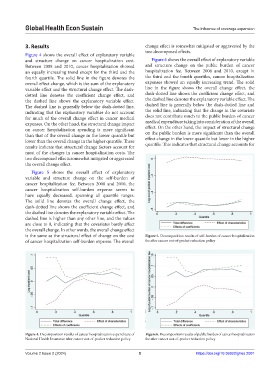
            Figure 4 shows the overall effect of explanatory variable
            and structure change on cancer hospitalization cost.   Figure 6 shows the overall effect of explanatory variable
            Between 2008 and 2010, cancer hospitalization showed   and structure change on the public burden of cancer
            an equally increasing trend except for the third and the   hospitalization fee. Between  2008 and 2010, except in
            fourth quartile. The solid line in the  figure denotes the   the third and the fourth quartiles, cancer hospitalization
            overall effect change, which is the sum of the explanatory   expenses showed an equally increasing trend. The solid
            variable effect and the structural change effect. The dash-  line in the  figure shows the overall change effect, the
            dotted line denotes the coefficient change effect, and   dash-dotted line shows the coefficient change effect, and
            the dashed line shows the explanatory variable effect.   the dashed line denotes the explanatory variable effect. The
            The dashed line is generally below the dash-dotted line,   dashed line is generally below the dash-dotted line and
            indicating that the explanatory variables do not account   the solid line, indicating that the change in the covariate
            for much of the overall change effect in cancer medical   does not contribute much to the public burden of cancer
            expenses. On the other hand, the structural change impact   medical expenditure taking into consideration of the overall
            on cancer hospitalization spending is more significant   effect. On the other hand, the impact of structural change
            than that of the overall change in the lower quantile but   on the public burden is more significant than the overall
            lower than the overall change in the higher quantile. These   effect change in the lower quantile but lower in the higher
            results indicate that structural change factors account for   quantile. This indicates that structural change accounts for
            most of the changes in cancer hospitalization costs. The
            two decomposed effects somewhat mitigated or aggravated
            the overall change effect.
              Figure  5 shows the overall effect of explanatory
            variable and structure change on the self-burden of
            cancer hospitalization fee. Between 2008 and 2010, the
            cancer hospitalization self-burden expense seems to
            have equally decreased, spanning all quantile ranges.
            The solid line denotes the overall change effect, the
            dash-dotted line shows the coefficient change effect, and
            the dashed line denotes the explanatory variable effect. The
            dashed line is higher than any other line, and the values
            are close to 0, indicating that the covariates barely affect
            the overall change. In other words, the overall change effect
            is the same as the structural effect of change on the cost   Figure 5. Decomposition results of self-burden of cancer hospitalization
            of cancer hospitalization self-burden expense. The overall   fee after cancer out-of-pocket reduction policy


            Figure 4. Decomposition results of cancer hospitalization expenditure of   Figure 6. Decomposition results of public burden of cancer hospitalization
            National Health Insurance after cancer out-of-pocket reduction policy  fee after cancer out-of-pocket reduction policy


            Volume 2 Issue 2 (2024)                         5                        https://doi.org/10.36922/ghes.2001

