


Page 166 - GHES-3-3
P. 166
Global Health Economics and
            Sustainability
                                                                 Sustainable procurement in healthcare to address value chain


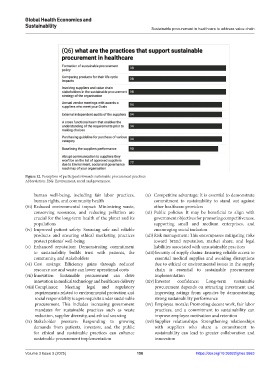
            Figure 12. Perception of participants towards sustainable procurement practices
            Abbreviation: ESG: Environment, social and governance.


               human well-being, including fair labor practices,   (x)  Competitive advantage: It is essential to demonstrate
               human rights, and community health                 commitment to sustainability to stand out against
            (iii) Reduced environmental impact:  Minimizing waste,   other healthcare providers
               conserving resources, and reducing pollution are   (xi) Public policies: It may be beneficial to align with
               crucial for the long-term health of the planet and its   government objectives for promoting competitiveness,
               populations                                        supporting small and medium enterprises, and
            (iv)  Improved patient safety: Sourcing safe and reliable   encouraging social inclusion
               products and ensuring ethical marketing practices   (xii) Risk management: This encompasses mitigating risks
               protect patients’ well-being                       toward brand reputation, market share, and legal
            (v)  Enhanced reputation: Demonstrating commitment    liabilities associated with unsustainable practices
               to  sustainability  builds  trust with patients,  the   (xiii) Security of supply chains: Ensuring reliable access to
               community, and stakeholders                         essential medical supplies and avoiding disruptions
            (vi) Cost savings: Efficiency gains through reduced    due to ethical or environmental issues in the supply
               resource use and waste can lower operational costs  chain  is  essential  to  sustainable  procurement
            (vii) Innovation: Sustainable procurement can drive    implementation
               innovation in medical technology and healthcare delivery  (xiv) Investor  confidence:  Long-term  sustainable
            (viii) Compliance:  Meeting  legal  and  regulatory    procurement depends on attracting investment and
                requirements related to environmental protection and   improving ratings from agencies by demonstrating
                social responsibility is a pre requisite under sustainable   strong sustainability performance
                procurement. This includes increasing government   (xv) Employee morale: Promoting decent work, fair labor
                mandates for sustainable practices such as waste   practices, and a commitment to sustainability can
                reduction, supplier diversity, and ethical sourcing  improve employee motivation and retention
            (ix) Stakeholder pressure: Responding to growing   (xvi) Supplier relationships: Strengthening relationships
               demands from patients, investors, and the public    with suppliers who share a commitment to
               for ethical and sustainable practices can enhance   sustainability can lead to greater collaboration and
               sustainable procurement implementation              innovation


            Volume 3 Issue 3 (2025)                        158                       https://doi.org/10.36922/ghes.5663

