


Page 61 - GPD-3-3
P. 61
Gene & Protein in Disease                                        Amino acid metabolism in neurodegeneration


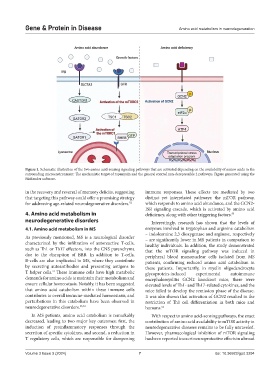
            Figure 1. Schematic illustration of the two amino acid-sensing signaling pathways that are activated depending on the availability of amino acids in the
            surrounding microenvironment: The mechanistic target of rapamycin and the general control non-derepressible 2 pathways. Figure generated using the
            BioRender software.

            in the recovery and reversal of memory deficits, suggesting   immune responses. These effects are mediated by two
            that targeting this pathway could offer a promising strategy   distinct yet interrelated pathways: the mTOR pathway,
            for addressing age-related neurodegenerative disorders. 52  which responds to amino acid abundance, and the GCN2-
                                                               ISR signaling cascade, which is activated by amino acid
            4. Amino acid metabolism in                        deficiency, along with other triggering factors. 55
            neurodegenerative disorders                          Interestingly, research has shown that the levels of
            4.1. Amino acid metabolism in MS                   enzymes involved in tryptophan and arginine catabolism
                                                               – indoleamine 2,3 dioxygenase and arginase, respectively
            As previously mentioned, MS is a neurological disorder   – are significantly lower in MS patients in comparison to
            characterized by the infiltration of autoreactive T-cells,   healthy individuals. In addition, the study demonstrated
            such as Th1 or Th17 effectors, into the CNS parenchyma   that the mTOR signaling pathway was induced in
            due to the disruption of BBB. In addition to T-cells,   peripheral blood mononuclear cells isolated from MS
            B-cells are also implicated in MS, where they contribute   patients, confirming reduced amino acid catabolism in
            by secreting  autoantibodies  and  presenting  antigens  to   these patients. Importantly, in myelin oligodendrocyte
            T helper cells.  These immune cells have high metabolic   glycoprotein-induced  experimental  autoimmune
                       21
            demands for amino acids to maintain their metabolism and   encephalomyelitis GCN2 knockout mice, there were
            ensure cellular homeostasis. Notably, it has been suggested   elevated levels of Th1- and Th17-related cytokines, and the
            that amino acid catabolism within these immune cells   mice failed to develop the remission phase of the disease.
            contributes to overall immune-mediated homeostasis, and   It was also shown that activation of GCN2 resulted in the
            perturbations in this catabolism have been observed in   restriction of Th1 cell differentiation in both mice and
            neurodegenerative disorders. 53,54                 humans. 56
              In MS patients, amino acid catabolism is remarkably   With respect to amino acid-sensing pathways, the exact
            decreased, leading to two major key outcomes: first, the   contribution of amino acid availability to mTOR activity in
            induction of proinflammatory responses through the   neurodegenerative diseases remains to be fully unraveled.
            secretion of specific cytokines, and second, a reduction in   However, pharmacological inhibition of mTOR signaling
            T regulatory cells, which are responsible for dampening   has been reported to exert neuroprotective effects in a broad


            Volume 3 Issue 3 (2024)                         7                               doi: 10.36922/gpd.3294

