


Page 61 - GTM-3-3
P. 61
Global Translational Medicine                                            COVID-19 and acute kidney injury


            Table 6. Results of quality assessment for risk of selection bias as per Newcastle–Ottawa scale
            Study        Age     Gender   Sampling method  Location  Author, year  Total scores  Risk of selection bias
            Lim et al. 5  1        1            1             1          1            5        Low risk
            Shao et al. 6  1       1            1             1          1            5        Low risk
            Cheng et al. 2  1      1            1             1          1            5        Low risk
            Wang et al. 7  1       1            1             1          1            5        Low risk


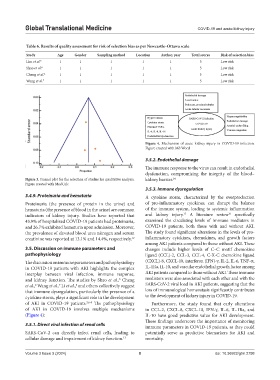
                                                               Figure  4.  Mechanism of acute kidney injury in COVID-19 infection.
                                                               Figure created with MS Word

                                                               3.5.2. Endothelial damage
                                                               The immune response to the virus can result in endothelial
                                                               dysfunction, compromising the integrity of the blood–
            Figure 3. Funnel plot for the selection of studies for qualitative analysis.   kidney barrier. 14
            Figure created with MedCalc
                                                               3.5.3. Immune dysregulation
            3.4.9. Proteinuria and hematuria                   A cytokine storm, characterized by the overproduction
            Proteinuria (the presence of protein in the urine) and   of pro-inflammatory cytokines, can disrupt the balance
            hematuria (the presence of blood in the urine) are common   of the immune system, leading to systemic inflammation
                                                                                                  16
                                                                               15
            indicators of kidney injury. Studies have reported that   and  kidney  injury.   A  literature  review   specifically
            43.9% of hospitalized COVID-19 patients had proteinuria,   examined  the  circulating  levels  of  immune  mediators  in
            and 26.7% exhibited hematuria upon admission. Moreover,   COVID-19  patients, both those with and without AKI.
            the prevalence of elevated blood urea nitrogen and serum   The study found significant alterations in the levels of pro-
            creatinine was reported at 13.1% and 14.4%, respectively. 12  inflammatory cytokines, chemokines, and growth factors
                                                               among AKI patients compared to those without AKI. These
            3.5. Discussion on immune parameters and           changes include higher levels of C–C motif chemokine
            pathophysiology                                    ligand (CCL)-2, CCL-3, CCL-4, C-X-C chemokine ligand
            The discussion on immune parameters and pathophysiology   (CXCL)-8, CXCL-10, interferon (IFN)-γ, IL-2, IL-6, TNF-α,
            in COVID-19 patients with AKI highlights the complex   IL-1Ra, IL-10, and vascular endothelial growth factor among
            interplay between viral infection, immune response,   AKI patients compared to those without AKI. These immune
            and kidney function. The studies by Shao et al.,  Cheng   mediators were also associated with each other and with the
                                                    6
            et al.,  Wang et al.,  Li et al.,  and others collectively suggest   SARS-CoV-2 viral load in AKI patients, suggesting that the
                                 8
                2
                          7
            that immune dysregulation, particularly the presence of a   loss of immunological homeostasis significantly contributes
            cytokine storm, plays a significant role in the development   to the development of kidney injury in COVID-19.
            of AKI in COVID-19  patients. 2,6-8  The pathophysiology   Furthermore, the study found that early alterations
            of AKI in COVID-19 involves multiple mechanisms    in CCL-2, CXCL-8, CXCL-10, IFN-γ, IL-6, IL-1Ra, and
            (Figure 4):                                        IL-10 have good predictive value for AKI development.
                                                               These findings underscore the importance of monitoring
            3.5.1. Direct viral infection of renal cells       immune parameters in COVID-19 patients, as they could
            SARS-CoV-2 can directly infect renal cells, leading to   potentially serve as predictive biomarkers for AKI and
            cellular damage and impairment of kidney function. 13  mortality.


            Volume 3 Issue 3 (2024)                         8                               doi: 10.36922/gtm.2798

