


Page 10 - IMO-2-1
P. 10
Innovative Medicines & Omics                                       Incretin mimetics in diabetes management


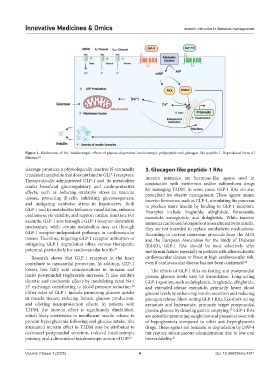
            Figure 1. Mechanism of the insulinotropic effects of glucose-dependent insulinotropic polypeptide and glucagon-like peptide-1. Reproduced from Al
            Musaimi 12

            cleavage produces a physiologically inactive N-terminally   3. Glucagon-like peptide-1 RAs
            truncated metabolite that does not bind to GLP-1 receptors.   Incretin mimetics are hormone-like agents used in
            Therapeutically  administered  GLP-1  and  its  metabolites   conjunction with metformin and/or sulfonylurea drugs
            confer beneficial glucoregulatory and cardioprotective   for managing T2DM. In some cases, GLP-1 RAs are also
            effects,  such  as  reducing  oxidative  stress  in  vascular   prescribed for obesity management. These agents mimic
            tissues, protecting  β-cells, inhibiting gluconeogenesis,   incretin hormones, such as GLP-1, stimulating the pancreas
            and mitigating oxidative stress in hepatocytes. Both   to produce more insulin by binding to GLP-1 receptors.
            GLP-1 and its metabolites influence vasodilation, enhance   Examples include liraglutide, albiglutide, lixisenatide,
            cardiomyocyte viability, and support cardiac function. For   exenatide, semaglutide, and dulaglutide. While incretin
            example, GLP-1 acts through a GLP-1 receptor-dependent   mimetics can be used alongside or as an alternative to insulin,
            mechanism, while certain metabolites may act through   they are not intended to replace antidiabetic medications.
            GLP-1  receptor-independent pathways  in cardiovascular   According to current consensus protocols from the ADA
            tissues. Therefore, targeting GLP-1 receptor activation or   and the European Association for the Study of Diabetes
            mitigating  GLP-1  degradation  offers  various  therapeutic   (EASD), GLP-1 RAs should be used selectively after
            potential, particularly for cardiovascular health. 21  metformin failure, especially in patients with atherosclerotic
              Research  shows  that  GLP-1  receptors  in  the  heart   cardiovascular disease or those at high cardiovascular risk,
            contribute to myocardial protection. In addition, GLP-1   even if cardiovascular disease has not been confirmed. 24
            lowers free fatty acid concentrations in humans and   The effects of GLP-1 RAs on fasting and postprandial
            limits postprandial triglyceride increases. It also exhibits   plasma glucose levels vary by formulation. Long-acting
            diuretic and natriuretic effects by modulating renal Na /  GLP-1 agonists, such as dulaglutide, liraglutide, albiglutide,
                                                         +
            H  exchange, contributing to blood pressure reduction.    and extended-release exenatide, primarily lower blood
             +
                                                         22
            Other roles of GLP-1 include promoting glucose uptake   glucose levels by enhancing insulin secretion and reducing
            in muscle tissues, reducing hepatic glucose production,   glucagon release. Short-acting GLP-1 RAs, like short-acting
            and offering neuroprotection effects. In patients with   exenatide and lixisenatide, primarily target postprandial
            T2DM, the incretin effect is significantly diminished,   plasma glucose by delaying gastric emptying.  GLP-1 RAs
                                                                                                   25
            which likely contributes to insufficient insulin release to   are noted for promoting weight loss and present a lower risk
            prevent hyperglycemia following oral glucose intake. The   of hypoglycemia compared to other anti-hyperglycemic
            attenuated incretin effect in T2DM may be attributed to   drugs. These agents are resistant to degradation by DPP-4
            decreased postprandial secretion, reduced insulinotropic   but require subcutaneous administration due to low oral
            potency, and a diminished insulinotropic action of GIP. 23  bioavailability. 26


            Volume 2 Issue 1 (2025)                         4                                doi: 10.36922/imo.4911

