


Page 44 - IMO-2-1
P. 44
Innovative Medicines & Omics                              Current approach in the management of kidney disease


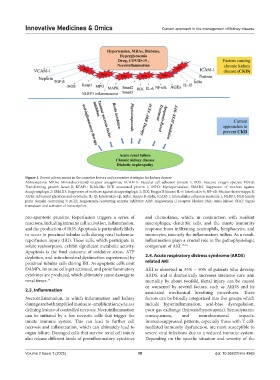
            Figure 1. Recent advancement in the causative factors and preventive strategies for kidney disease
            Abbreviations:  MRAs:  Mineralocorticoid  receptor  antagonists;  VCAM-1:  Vascular  cell  adhesion  protein  1;  ROS:  Reactive  oxygen  species;  TGF-β:
            Transforming growth factor-β; KEAP1: Kelch-like ECH associated protein 1; MPO: Myeloperoxidase; SMAD2: Suppressor of mothers against
            decapentaplegic 2; SMAD3: Suppressor of mothers against decapentaplegic 3; IKK: Ikappa B kinase; IL-6: Interleukin-6; NF-κB: Nuclear factor-kappa B;
            AGEs: Advanced glycation end-products; IL-1β: Interleukin-1β; IκBα: Ikappa B-alpha; ICAM-1: Intercellular adhesion molecule 1; NLRP3: NLR family
            pyrin domain containing 3; ACEI: Angiotensin-converting enzyme inhibitor; ARB: Angiotensin II receptor blocker; JAK: Janus kinase; STAT: Signal
            transducer and activator of transcription.

            pro-apoptotic proteins. Reperfusion triggers a series of   and chemokines, which, in conjunction with resident
            reactions, including immune cell activation, inflammation,   macrophages, dendritic cells, and the innate immunity
            and the production of ROS. Apoptosis is particularly likely   response from infiltrating neutrophils, lymphocytes, and
            to occur in proximal tubular cells during renal ischemia-  monocytes, intensify the inflammatory milieu. As a result,
            reperfusion injury (IRI). These cells, which participate in   inflammation plays a crucial role in the pathophysiologic
            solute reabsorption, exhibit significant metabolic activity.   component of AKI. 15,16
            Apoptosis is the final outcome of oxidative stress, ATP
            depletion, and mitochondrial dysfunction experienced by   2.4. Acute respiratory distress syndrome (ARDS)
            proximal tubular cells during IRI. As apoptotic cells emit   related AKI
            DAMPs, immune cells get activated, and proinflammatory   AKI is observed in 35% – 50% of patients who develop
            cytokines are produced, which ultimately cause damage to   ARDS, and it dramatically increases intensive care unit
            renal tissue. 14                                   mortality by about twofold. Renal injury can be caused
                                                               or worsened by several factors, such as ARDS and its
            2.3. Inflammation                                  associated mechanical breathing procedures. These
            Necroinflammation, in which inflammation and kidney   factors can be broadly categorized into five groups which
            damage are both amplified in an auto-amplification cycle, is a   include  hyperinflammation,  acid-base  dysregulation,
            defining feature of controlled necrosis. Necroinflammation   poor gas exchange (hypoxia/hypercapnia), hemodynamic
            can be initiated by a few necrotic cells that trigger the   consequences,  and  neurohormonal  impacts.
            innate immune system. This can lead to further cell   Immunosuppressed patients, especially those with T cell-
            necrosis and inflammation, which can ultimately lead to   mediated immunity dysfunction, are more susceptible to
            organ failure. Damaged cells that survive renal cell injury   severe viral infections due to a reduced immune system.
            also release different kinds of proinflammatory cytokines   Depending on the specific situation and severity of the


            Volume 2 Issue 1 (2025)                         38                               doi: 10.36922/imo.4969

