


Page 151 - JCAU-6-4
P. 151
Journal of Chinese
            Architecture and Urbanism                                                   Emotive architecture in China


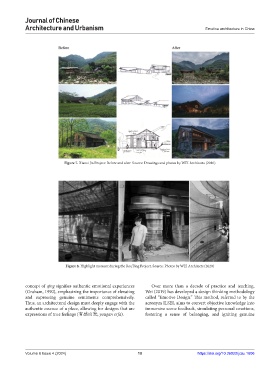
                            Figure 7. Xiaoxi Jia Project: Before and after. Source: Drawings and photos by WEI Architects (2016)


                             Figure 8. Highlight moment during the RouTing Project. Source: Photos by WEI Architects (2020)


            concept of qing signifies authentic emotional experiences   Over  more  than  a decade of practice  and teaching,
            (Graham, 1990), emphasizing the importance of elevating   Wei (2019) has developed a design thinking methodology
            and expressing genuine sentiments comprehensively.   called “Emotive Design.” This method, referred to by the
            Thus, an architectural design must deeply engage with the   acronym ILSEI, aims to convert objective knowledge into
            authentic essence of a place, allowing for designs that are   immersive scene feedback, simulating personal emotions,
            expressions of true feelings (有感而发; yougan erfa).  fostering a sense of belonging, and igniting genuine


            Volume 6 Issue 4 (2024)                         10                       https://doi.org/10.36922/jcau.1606

