


Page 16 - JCBP-2-3
P. 16
Journal of Clinical and
            Basic Psychosomatics                                                   The antidepressant effect of ketamine


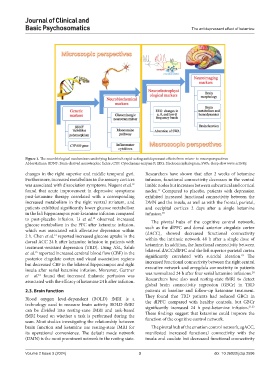
            Figure 1. The neurobiological mechanisms underlying ketamine’s rapid-acting antidepressant effects from micro- to macroperspectives
            Abbreviations: BDNF: Brain-derived neurotrophic factor; CYP: Cytochrome enzyme P; EEG: Electroencephalogram; SWA: Sleep slow wave activity.
            changes in the right superior and middle temporal gyri.   Researchers have shown that after 2  weeks of ketamine
            Furthermore, increased metabolism in the sensory cortices   infusion, functional connectivity decreases in the ventral
            was associated with dissociation symptoms. Nugent et al.    limbic nodes but increases between subcortical and cortical
                                                         12
            found that acute improvement in depressive symptoms   nodes.   Compared  to  placebo,  patients  with  depression
                                                                    17
            post-ketamine therapy correlated with a corresponding   exhibited increased functional connectivity between the
            increased metabolism in the right ventral striatum, and   DMN and the insula, as well as with the frontal, parietal,
            patients exhibited significantly lower glucose metabolism   and occipital cortices 2  days after a single ketamine
            in the left hippocampus post-ketamine infusion compared   infusion. 18
            to  post-placebo  infusion. Li  et al.   observed  increased   The pivotal hubs of the cognitive control network,
                                        13
            glucose metabolism in the PFC after ketamine infusion,   such as the dlPFC and dorsal anterior cingulate cortex
            which was associated with alleviative depression within   (dACC), showed decreased functional connectivity
            2 h. Chen et al.  reported increased glucose uptake in the   within the intrinsic network 48  h after a single dose of
                        14
            dorsal ACC 24 h after ketamine infusion in patients with   ketamine. In addition, the functional connectivity between
            treatment-resistant depression (TRD). Using ASL, Sahib
            et  al.  reported increased cerebral blood flow (CBF) in the   bilateral dACC/dlPFC and the left superior parietal cortex
                15
                                                                                                        19
            posterior cingulate cortex and visual association regions   significantly correlated with suicidal ideation.  The
            but decreased CBF in the bilateral hippocampus and right   increased functional connectivity between the right central
            insula after serial ketamine infusion. Moreover, Gartner   executive network and amygdala connectivity in patients
                                                                                                            20
            et   al.  found that increased thalamic perfusion was   was normalized 24 h after four serial ketamine infusions.
                 16
            associated with the efficacy of ketamine 24 h after infusion.  Researchers have also used resting-state fMRI to detect
                                                               global brain connectivity regression (GBCr) in TRD
            2.3. Brain function                                patients at baseline and follow-up ketamine treatment.
                                                               They found that TRD patients had reduced GBCr in
            Blood oxygen level-dependent (BOLD) fMRI is a      the  dlPFC  compared  with  healthy  controls,  but  GBCr
            technology used to measure brain activity. BOLD fMRI   significantly increased 24  h post-ketamine infusion. 21,22
            can be divided into resting-state fMRI and task-based   These findings suggest that ketamine could improve the
            fMRI based on whether a task is performed during the   function of the cognitive control network.
            scan. Most studies investigating the relationship between
            brain function and ketamine use resting-state fMRI for   The pivotal hub of the emotion control network, sgACC,
            its operational convenience. The default mode network   manifested  increased  functional  connectivity  with  the
            (DMN) is the most prominent network in the resting state.   insula and caudate but decreased functional connectivity


            Volume 2 Issue 3 (2024)                         3                               doi: 10.36922/jcbp.2596

