


Page 93 - JCBP-2-3
P. 93
Journal of Clinical and
            Basic Psychosomatics                                                Psychological changes in patient with ICD


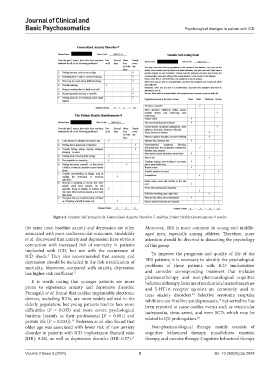
                        Figure 4. Somatic Self-rating Scale, Generalized Anxiety Disorder-7, and the Patient Health Questionnaire-9 results

            the same time, baseline anxiety and depression are often   Moreover, ERS is more common in young and middle-
            associated with poor cardiovascular outcomes. Lindekilde   aged men, especially among athletes. Therefore, more
            et al. discovered that anxiety and depression have obvious   attention should be diverted to dissecting the psychology
            connection with increased risk of mortality in patients   of this group.
            implanted with ICD, but not with the occurrence of   To improve the prognosis and quality of life of the
            ICD shock.  They also recommended that anxiety and
                     5
            depression should be included in the risk stratification of   ERS patients, it is necessary to identify the psychological
            mortality. Moreover, compared with anxiety, depression   problems of these patients with ICD implantation
            has higher risk coefficient. 5                     and consider corresponding treatment that includes
                                                               pharmacotherapy and non-pharmacological cognitive
              It is worth noting that younger patients are more   behavioral therapy. In terms of medication, benzodiazepines
            prone to experience anxiety and depressive disorder.   and 5-HT1A receptor agonists are commonly used to
            Fumagalli et al. found that cardiac implantable electronic   treat anxiety disorders  Selective serotonin reuptake
                                                                                   12
            devices, including ICDs, are more widely utilized in the   inhibitors are first-line antidepressants,  but sertraline has
                                                                                  .
                                                                                              13
            elderly population, but young patients tend to face more   been reported to cause cardiac events such as ventricular
            difficulties (P = 0.035) and more severe psychological   tachycardia, sinus arrest, and even SCD, which may be
            burdens (mainly in their professional [P < 0.001] and   related to QT prolongation. 14
            private life [P = 0.033]).  Pedersen et al. also found that
                                10
            older age was associated with lower risk of new anxiety   Non-pharmacological therapy mainly consists of
            disorder in patients with ICD implantation (hazard ratio   cognitive behavioral therapy, mindfulness emotion
            [HR]: 0.54), as well as depression disorder (HR: 0.57).    therapy, and exercise therapy. Cognitive behavioral therapy
                                                         11

            Volume 2 Issue 3 (2024)                         5                               doi: 10.36922/jcbp.2848

