


Page 42 - JCBP-3-1
P. 42
Journal of Clinical and
            Basic Psychosomatics                                                  Psychosomatic influences on insomnia


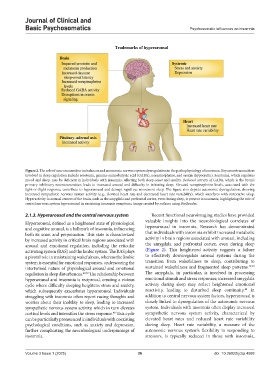
            Figure 2. The role of neurotransmitter imbalances and autonomic nervous system dysregulation in the pathophysiology of insomnia. Key neurotransmitters
            involved in sleep regulation include serotonin, gamma-aminobutyric acid (GABA), norepinephrine, and orexin (hypocretin). Serotonin, which regulates
            mood and sleep, may be deficient in individuals with insomnia, affecting both sleep onset and quality. Reduced activity of GABA, which is the brain’s
            primary inhibitory neurotransmitter, leads to increased arousal and difficulty in initiating sleep. Elevated norepinephrine levels, associated with the
            fight-or-flight response, contribute to hyperarousal and disrupt rapid eye movement sleep. The figure also depicts autonomic dysregulation, showing
            increased sympathetic nervous system activity (e.g., elevated heart rate and decreased heart rate variability), which interferes with restorative sleep.
            Hyperactivity in arousal centers of the brain, such as the amygdala and prefrontal cortex, even during sleep, is present in insomnia, highlighting the role of
            central nervous system hyperarousal in sustaining insomnia symptoms. Image created by authors using BioRender.

            2.1.3. Hyperarousal and the central nervous system   Recent functional neuroimaging studies have provided
            Hyperarousal, defined as a heightened state of physiological   valuable insights into the neurobiological correlates of
            and cognitive arousal, is a hallmark of insomnia, influencing   hyperarousal in insomnia. Research has demonstrated
            both its onset and perpetuation. This state is characterized   that individuals with insomnia exhibit increased metabolic
            by increased activity in critical brain regions associated with   activity in brain regions associated with arousal, including
            arousal and emotional regulation, including the reticular   the amygdala and prefrontal cortex, even during sleep
            activating system (RAS) and the limbic system. The RAS plays   (Figure  2). This heightened activity suggests a failure
            a pivotal role in maintaining wakefulness, whereas the limbic   to effectively downregulate arousal systems during the
            system is essential for emotional responses, underscoring the   transition from wakefulness to sleep, contributing to
            intertwined nature of physiological arousal and emotional   sustained wakefulness and fragmented sleep patterns. 49,50
            regulation in sleep disturbances. 49,50  The relationship between   The amygdala, in particular, is involved in processing
            hyperarousal and insomnia is reciprocal, creating a vicious   emotional stimuli and stress responses; increased amygdala
            cycle where difficulty sleeping heightens stress and anxiety,   activity during sleep may reflect heightened emotional
                                                                                                         48
            which  subsequently  exacerbates hyperarousal. Individuals   reactivity,  leading  to  disturbed  sleep  continuity.   In
            struggling with insomnia often report racing thoughts and   addition to central nervous system factors, hyperarousal is
            worries about their inability to sleep, leading to increased   closely linked to dysregulation of the autonomic nervous
            sympathetic nervous system activity, which in turn elevates   system. Individuals with insomnia often display increased
                                                 48
            cortisol levels and intensifies the stress response.  This cycle   sympathetic  nervous  system  activity,  characterized  by
            can be particularly pronounced in individuals with coexisting   elevated heart rates and reduced heart rate variability
            psychological conditions, such as anxiety and depression,   during sleep. Heart rate variability, a measure of the
            further complicating the neurobiological underpinnings of   autonomic nervous system’s flexibility in responding to
            insomnia.                                          stressors, is typically reduced in those with insomnia,


            Volume 3 Issue 1 (2025)                         36                              doi: 10.36922/jcbp.4588

