


Page 27 - MI-2-3
P. 27
Microbes & Immunity                                                    Correlation between VZV and cancer


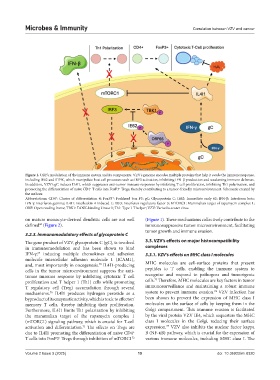
            Figure 1. ORF’s modulation of the immune system and its components. VZV’s genome encodes multiple proteins that help it evade the immune response,
            including IE62 and STPK, which manipulate host cell processes such as IRF3 activation, inhibiting IFN-β production and weakening immune defenses.
            In addition, VZV’s gC induces IL4I1, which suppresses anti-tumor immune responses by inhibiting T cell proliferation, inhibiting Th1 polarization, and
            promoting the differentiation of naive CD4  T cells into FoxP3  Tregs, thereby contributing to a tumor-friendly microenvironment. Schematic created by
                                       +
                                                    +
            the authors.
            Abbreviations: CD4 : Cluster of differentiation 4; FoxP3 : Forkhead box P3; gC: Glycoprotein C; IE62: Immediate early 62; IFN-β: Interferon beta;
                                                 +
                         +
            IFN-γ: Interferon gamma; IL4I1: Interleukin-4-induced-1; IRF3: Interferon regulatory factor 3; MTORC1: Mammalian target of rapamycin complex 1;
            ORF: Open reading frame; TBK1: TANK-binding kinase 1; Th1: Type 1 T helper; VZV: Varicella-zoster virus.
            on mature monocyte-derived dendritic cells are not well   (Figure 1). These mechanisms collectively contribute to the
            defined  (Figure 2).                               immunosuppressive tumor microenvironment, facilitating
                  68
                                                               tumor growth and immune evasion.
            3.2.3. Immunomodulatory effects of glycoprotein C
            The gene product of VZV, glycoprotein C (gC), is involved   3.3. VZV’s effects on major histocompatibility
            in immunomodulation and has been shown to bind     complexes
            IFN-γ,   inducing  multiple  chemokines  and  adhesion   3.3.1. VZV’s effects on MHC class I molecules
                 69
            molecule intercellular adhesion molecule 1 (ICAM1),
            and, most importantly in oncogenesis.  IL4I1-producing   MHC molecules are cell-surface proteins that present
                                           70
            cells in the tumor microenvironment suppress the anti-  peptides to T cells, enabling the immune system to
            tumor  immune  response  by  inhibiting  cytotoxic  T  cell   recognize and respond to pathogens and tumorigenic
                                                                   73
            proliferation and T helper 1 (Th1) cells while promoting   cells.  Therefore, MHC molecules are key factors in tumor
            T regulatory cell (Treg) accumulation through several   immunosurveillance and maintaining a robust immune
                                                                                            74
            mechanisms.  IL4I1 produces hydrogen peroxide as a   system to prevent immune evasion.  VZV infection has
                      70
            byproduct of its enzymatic activity, which is toxic to effector/  been shown to prevent the expression of MHC class  I
            memory T cells, thereby inhibiting their proliferation.   molecules on the surface of cells by keeping them in the
            Furthermore, IL4I1 limits Th1 polarization by inhibiting   Golgi  compartment. This  immune  evasion  is facilitated
            the mammalian target of the rapamycin complex 1    by the viral protein VZV IE4, which sequesters the MHC
            (mTORC1) signaling pathway, which is crucial for T-cell   class  I molecules in the Golgi, reducing their surface
                                                                        75
            activation  and  differentiation.   The  effects  on  Tregs  are   expression.  VZV also inhibits the nuclear factor kappa
                                    71
            due to IL4I1 promoting the differentiation of naive CD4    B (NF-κB) pathway, which is crucial for the expression of
                                                          +
            T cells into FoxP3  Tregs through inhibition of mTORC1    various immune molecules, including MHC class  I. The
                          +
                                                         72
            Volume 2 Issue 3 (2025)                         19                               doi: 10.36922/mi.8320

