


Page 144 - MI-2-4
P. 144
Microbes & Immunity                                         Glioblastoma therapy: Immunotherapy and inhibitors


            potential to express GBM tumor-specific antigens and to   highly adaptive and neuroprotective property, the highly
            mediate an eventual antitumor immune response. 71,72  selective permeability of the tight junctions and endothelial
              Two other forms of vaccine that have demonstrated   cells forming the external lining of the CNS, preserved by
            moderate efficacy in numerous clinical trials are autologous   astrocytes and pericytes, prevents the entry of drugs into the
            and peptide vaccines. Autologous vaccination involves   brain. Furthermore, the ample presence of P-glycoprotein
            the use of a patient’s peripheral blood mononuclear cells   and multidrug resistance proteins in the BBB anatomical
            (PBMC) to stimulate the cells with known glioma tumor   structure prevents the build-up of the necessary amount
            antigens,  and  the  subsequent  infusion  of  the  primed   of pharmacokinetically active drug in the CNS, preventing
            PBMC cells back into the patient.  Peptide vaccines   the activation of the drug’s physiological cascade. 79,80
                                          73
            are short protein sequences with active immunogenic   Another major challenge in the drug delivery of GBMs
            mutations present in GBM introduced to patients to evoke   is the lack of breadth the drugs carry to counteract the
            an antitumor immune response against the neoplastic   highly diffusive and infiltrative tumor cells that migrate
            cells that shelter the known mutation.  For instance,   far past the point of origin. Existing therapeutic drugs can
                                             74
            EGFR variant III (EGFRvIII) is a known antigenic   only reach a few millimeters of the delivery site of interest
            variant widely expressed in GBM and absent in normal   surrounding the brain parenchyma. Furthermore, lack of
            tissue.  Moreover, EGFRvIII mutation also encodes an   diffusion during drug delivery can cause substantial local
                 74
            active  tyrosine  kinase  known  to  amplify  tumor  growth   cytotoxicity at the delivery site. 81,82
            and migration 75-77  and instigate tumor resistance against
            radiation and conventional chemotherapeutic agents.    The third challenge arises from the intrinsic nature
                                                         16
            Furthermore, expression levels of EGFRvIII mutation have   of GBM tumor cells: highly heterogeneous genome, with
            served as an independent negative prognostic criterion of   unpredictable patterns of amplification, dysregulation,
            overall survival in GBM patients. Hence, multiple lines of   and mutational activation of growth factor signaling;
            evidence corroborate the EGFRvIII mutation sequence   receptor tyrosine kinase genes; tumor suppressor genes;
            as a highly promising target for GBM peptide vaccine   O6-methylguanine-DNA methyltransferase methylation;
            immunotherapy. 74,78  Summary of emerging vaccination   and various other molecular pathways of interconnected
            therapy for glioblastoma is summarized in Table 2.  and interdependent influence that require patient-
                                                               specific stratification to advance our understanding of
            6. GBM drug delivery and medicinal                 pharmacokinetics in  GBMs. 83-85  Drug  delivery  is further
            chemistry: challenges and advances                 challenged by GBM’s highly indistinct tumor margins,
                                                               highly angiogenic properties that enhance vascular
            6.1. Challenges                                    proliferation and hyperplasia, and rapidly adaptive and
            Despite decades of substantial progress in pharmacokinetics,   evasive  interaction  of  the  tumor  with  its  surrounding
            medicinal chemistry, and nanomedicine, drug delivery in   microenvironment, such as overexpression of VEGF,
            GBM remains a fundamental challenge for several reasons.   acting as a hypoxia-induced promoter of tumor cell
            A principal challenge is that of the BBB. Despite being a   invasion  and  migration  into  healthy  parenchyma. 86-88

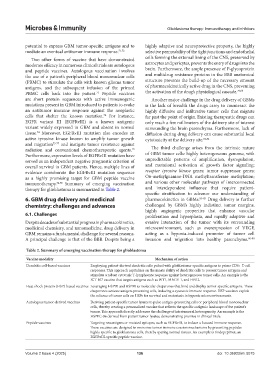
            Table 2. Summary of emerging vaccination therapy for glioblastoma
            Vaccine modality                                       Mechanism of action
            Dendritic cell-based vaccines  Employing patient-derived dendritic cells pulsed with glioblastoma-specific antigens to prime CD8+ T-cell
                                       responses. This approach capitalizes on the innate ability of dendritic cells to present tumor antigens and
                                       stimulate a robust cytotoxic T-lymphocyte response against heterogeneous tumor cells. An example is the
                                       ICT-107 vaccine that targets antigens such as WT1, MAGE-1, and HER2.
            Heat shock protein (HSP)-based vaccines Leveraging HSP70 and HSP90 as molecular chaperones that bind and display tumor-specific antigens. These
                                       chaperones activate antigen-presenting cells, inducing a cytotoxic immune response. HSP vaccines exploit
                                       the reliance of tumor cells on HSPs for survival and metastasis in hypoxic microenvironments.
            Autologous tumor-derived vaccines  Deriving patient-specific tumor lysates to pulse antigen-presenting cells or peripheral blood mononuclear
                                       cells, thereby creating a personalized vaccine that reflects the specific antigenic landscape of the patient’s
                                       tumor. This approach directly addresses the challenge of intratumoral heterogeneity. An example is the
                                       HSPPC-96 derived from patient tumor lysates, demonstrating promise in clinical trials.
            Peptide vaccines           Targeting neoantigens or mutated epitopes, such as EGFRvIII, to induce a focused immune response.
                                       These vaccines are designed to overcome tumor immune evasion mechanisms by presenting peptides
                                       highly specific to glioblastoma cells, thereby sparing normal tissues. An example is rindopepimut, an
                                       EGFRvIII-specific peptide vaccine.


            Volume 2 Issue 4 (2025)                        136                               doi: 10.36922/mi.5075

