


Page 50 - OR-1-1
P. 50
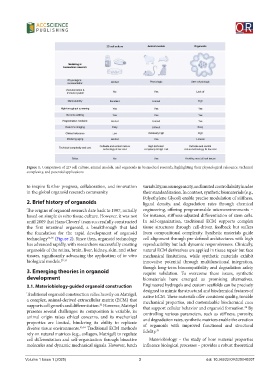
Figure 1. Comparison of 2D cell culture, animal models, and organoids in biomedical research, highlighting their physiological relevance, technical
            complexity, and potential applications


            to inspire further progress, collaboration, and innovation   variability, immunogenicity, and limited controllability hinder
            in the global organoid research community.        their standardization. In contrast, synthetic biomaterials (e.g.,
                                                              Polyethylene Glycol) enable precise modulation of stiffness,
            2. Brief history of organoids                     ligand density, and degradation rates through chemical
            The origins of organoid research date back to 1907, initially   engineering, offering programmable microenvironments –
            based on simple in vitro tissue culture. However, it was not   for instance, stiffness-adjusted differentiation of stem cells.
            until 2009 that Hans Clevers’ team successfully constructed   In self-organization, traditional ECM supports complex
            the first intestinal organoid, a breakthrough that laid   tissue structures through cell-driven feedback but suffers
            the foundation for the rapid development of organoid   from  compositional  complexity.  Synthetic  materials  guide
            technology 25,26  (Figure 2). Since then, organoid technology   cell alignment through pre-defined architectures with high
            has advanced rapidly, with researchers successfully creating   reproducibility but lack dynamic responsiveness. Clinically,
            organoids of the retina, brain, liver, kidney, skin, and other   natural ECM derivatives are applied in tissue repair but face
            tissues, significantly advancing the application of in vitro   mechanical  limitations,  while  synthetic  materials  exhibit
            biological models. 27-31                          innovative potential through multifunctional integration,
                                                              though long-term biocompatibility and degradation safety
            3. Emerging theories in organoid                  require validation. To overcome these issues, synthetic
            development                                       biomaterials have emerged as promising alternatives.
            3.1. Materiobiology-guided organoid construction  Engineered hydrogels and custom scaffolds can be precisely
                                                              designed to mimic the structural and biochemical features of
            Traditional organoid construction relies heavily on Matrigel,   native ECM. These materials offer consistent quality, tunable
            a complex, animal-derived extracellular matrix (ECM) that   mechanical properties, and customizable biochemical cues
            supports cell growth and differentiation.  However, Matrigel   that support cellular behavior and organoid formation.  By
                                           32
                                                                                                         34
            presents several challenges: its composition is variable, its   controlling various parameters, such as stiffness, porosity,
            animal origin raises ethical concerns, and its mechanical   and degradation rates, synthetic matrices enable the creation
            properties are limited, hindering its ability to replicate   of organoids with improved functional and structural
            diverse tissue environments. 33,34  Traditional ECM methods   fidelity. 35
            rely on natural matrices (e.g., collagen, Matrigel) to regulate
            cell differentiation and self-organization through bioactive   Materiobiology – the study of how material properties
            molecules and dynamic mechanical signals. However, batch   influence biological processes – provides a robust theoretical


            Volume 1 Issue 1 (2025)                         3                            doi: 10.36922/OR025040007

