


Page 58 - OR-1-1
P. 58
screening.  These technologies could reduce production   The development of bioprinted organoid models with
                     140
            costs and improve the efficiency of organoid generation,   embedded blood vessels and functional tissue scaffolds
            making them more accessible for both research and clinical   could improve the physiological relevance of organoids
            applications.                                     for therapeutic purposes.  In addition, new biomaterials
                                                                                  146
                                                              that mimic the dynamic mechanical and biochemical
            6.3. Complex tissue architecture and functionality  environment of native tissues could support more realistic
            While organoids replicate the basic architecture of tissues,   organoid growth.
            they often fall short of fully recapitulating the complexity
            and functionality of native organs. Organoids typically   6.4. Ethical and regulatory challenges
            lack the full spectrum of cell types, vasculature, and tissue-  The increasing use of organoids, especially those derived
            specific architecture necessary for some applications,   from human stem cells, raises a number of ethical and
            such as transplantation or disease modeling.  Moreover,   regulatory concerns. Issues such as consent for organoid
                                                 141
            the limited ability of organoids to mimic the mechanical   generation, the  use of  genetic modification  technologies,
            and biochemical signals of the body often restricts their   such as CRISPR-Cas9, and the potential for organoid-
            usefulness in modeling diseases or developing effective   based human-animal chimeras need to be carefully
            therapies.  Overcoming these limitations will require   addressed.  In addition, the lack of comprehensive
                    142
                                                                      147
            advances in tissue engineering, particularly the integration   regulatory frameworks  for  the  clinical  application of
            of vascular networks,  immune  cells, and  tissue-specific   organoid-based therapies poses challenges for translating
            microenvironments  into  organoid  cultures. 115,143,144    organoid research into therapeutic settings. Establishing
            Strategies, such as co-culture systems, where multiple cell   clear ethical guidelines and regulatory frameworks for
            types are combined to form more complex tissue structures,   the use of organoids in research and clinical applications
            could enhance the functional maturation of organoids.    will be crucial. These frameworks should ensure that
                                                          145


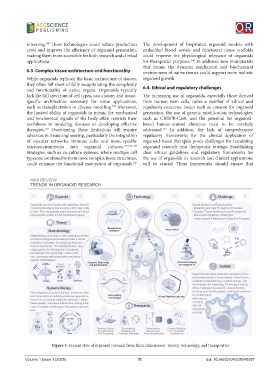
                       Figure 3. Present state of organoid research from three dimensions: Theory, technology, and therapeutics


            Volume 1 Issue 1 (2025)                         11                           doi: 10.36922/OR025040007

