


Page 31 - TD-2-2
P. 31
Tumor Discovery                                                       A comprehensive review of bexarotene


                                                               11 (41%) patients, with improved platelet counts, 4 (15%)
                                                               patients showed reduced bone marrow impacts to <5%,
                                                               and 7 (26%) patients demonstrated enhanced neutrophil
                                                               counts. Bexarotene induces cell death in tumor cells
                                                               stimulated by tumor necrosis factor-related apoptosis-
                                                               inducing ligand (TRAIL) . It triggers TRAIL-induced
                                                                                    [36]
                                                               apoptosis in tumorous cell lines ML-1 (apoptosis-
                                                               sensitive) and KG1a (apoptosis-resistant), resulting in
                                                               cell death of myelogenous cells [36,37] . Researchers reported
                                                               that bexarotene was all around endured and showed the
                                                               potential to strengthen the production of new lymphocytes
                                                               compared to standard cytotoxic medications. As a result,
                                                               it could be considered a specific single or combination
                                                               treatment, particularly for relapsed or refractory patients .
                                                                                                           [17]
                                                               5.5. Thyroid cancer
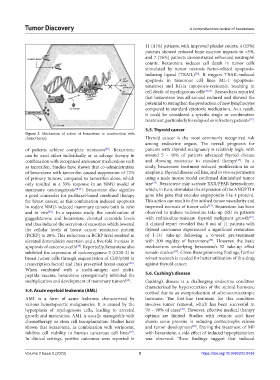
            Figure  3.  Mechanism  of  action  of  bexarotene  in  combination  with
            chemotherapy.                                      Thyroid cancer is the most commonly recognized risk
                                                               among endocrine organs. The overall prognosis for
                                              [29]
            of patients achieve complete remission . Bexarotene   patients with thyroid malignancy is relatively high, with
            can be used either individually or as salvage therapy in   around 5 – 10% of patients advanced thyroid disease
                                                                                                      [17]
            combination with recognized anticancer medications such   and showing resistance to standard therapy . In a
            as tamoxifen. Studies have shown that co-administration   study, bexarotene treatment reduced proliferation in an
            of bexarotene with tamoxifen caused suppression of 72%   anaplastic thyroid disease cell line, and in vivo experiments
            of primary tumors, compared to tamoxifen alone, which   using a nude mouse model confirmed diminished tumor
                                                                  [37]
            only resulted in a 33% response in an NMU model of   size . Bexarotene may activate RXR/PPAR heterodimer,
            mammary carcinogenesis [30,31] . Bexarotene also signifies   which, in turn, stimulates the expression of the ANGPTL4
            a good contender for paclitaxel-based combined therapy   gene (the gene that encodes angiopoietin-like 4 protein).
            for breast cancer, as this combination induced apoptosis   This action can result in diminished tumor vascularity and
                                                                                          [17]
            in rodent NMU-induced mammary tumors both in vitro   improved necrosis of tumor cells . Bexarotene has been
            and  in vivo . In a separate study, the combination of   observed to induce radioiodine take-up (RI) in patients
                     [32]
                                                                                                           [17]
            guggulsterone and bexarotene elevated ceramide levels   with radioiodine-resistant thyroid malignant growth .
            and thus induced the secretion of exosomes which lowered   A clinical report revealed that 8 out of 11 patients with
            the cellular levels of breast cancer resistance protein   thyroid  carcinoma  experienced  a  significant  restoration
            (BCRP) to 20%. This reduction in BCRP level resulted in   of I-131 take-up following a 6-week pre-treatment
            elevated doxorubicin retention and a five-fold increase in   with  300  mg/day  of  bexarotene .  However,  the  basic
                                                                                          [38]
            apoptosis of cancerous cells . Reportedly, bexarotene also   mechanisms underlying bexarotene’s RI take-up effect
                                  [33]
                                                                           [17]
            inhibited the expression of cyclooxygenase-2 (COX-2) in   remain unclear . Given these promising findings, further
            breast tumor cells through sequestration of CBP/p300 (a   robust research is needed for better utilization of this drug
            transcription factor) and thus prevented breast cancer .   against thyroid cancer.
                                                        [34]
            When combined with a multi-antigen and multi-
            peptide vaccine, bexarotene synergistically inhibited the   5.6. Cushing’s disease
            multiplication and development of mammary tumors .  Cushing’s disease is a challenging endocrine condition
                                                      [35]
                                                               characterized by  hypersecretion  of the  steroid hormone
            5.4. Acute myeloid leukemia (AML)                  cortisol due to an overproduction of adrenocorticotropic
            AML is a form of acute leukemia characterized by   hormone. The first-line treatment for this condition
            various  hematopoietic  malignancies.  It  is  caused  by  the   involves  tumor  removal,  which  has  been  successful  in
            hyperplasia of myelogenous cells,  leading  to  arrested   70 – 90% of cases . However, effective medical therapy
                                                                              [39]
            growth and maturation. AML is usually manageable with   options are limited. Studies with retinoic acid have
            chemotherapy or stem cell transplantation. Studies have   shown some promise in reducing corticotrophs release
            shown that bexarotene, in combination with vorinostat,   and tumor development . During the treatment of MF
                                                                                   [40]
            inhibits cell viability in human cancerous cell lines .   with bexarotene, a side effect of induced hypopituitarism
                                                        [17]
            In  clinical  settings,  positive  outcomes  were  reported  in   was observed. These findings suggest that induced

            Volume 2 Issue 2 (2023)                         5                          https://doi.org/10.36922/td.0436

