


Page 83 - AC-2-2
P. 83
Arts & Communication                                                    Digital reconstitution of lost heritage


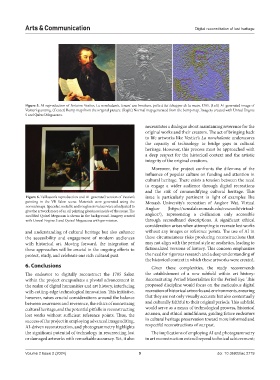
            Figure 5. AI reproduction of Antoine Vestier, La nonchalante, tenant une brochure, prête à lui échapper de la main, 1785. (Left) AI-generated image of
            Vestier’s painting. (Center) Bump map from the original picture. (Right) Normal map generated from the bump map. Imagery created with Unreal Engine
            5 and Quixel Megascans.

                                                               necessitates a dialogue about maintaining reverence for the
                                                               original works and their creators. The act of bringing back
                                                               to life artworks like Vestier’s La nonchalante underscores
                                                               the capacity of technology to bridge gaps in cultural
                                                               heritage. However, this process must be approached with
                                                               a deep respect for the historical context and the artistic
                                                               integrity of the original creations.
                                                                 Moreover, the project confronts the dilemma of the
                                                               influence of popular culture on funding and attention in
                                                               cultural heritage. There exists a tension between the need
                                                               to engage a wider audience through digital recreations
                                                               and the risk of commodifying cultural heritage. This
             Figure 6. Taillasson’s reproduction and AI-generated version of Vestier’s   issue is particularly pertinent in light of examples like
            painting in the VR Salon scene. Materials were generated using the   Monash University’s recreation of Angkor Wat, Virtual
            normal maps. Specular, metallic and roughness values were all adjusted to   Angkor  (https://sensilab.monash.edu/research/virtual-
            give the artwork more of an oil painting glossiness inside of the scene. The
            modified Quixel Megascan is shown in the background. Imagery created   angkor/), representing a civilization only accessible
            with Unreal Engine 5 and Quixel Megascans with permission.  through secondhand descriptions. A  significant ethical
                                                               consideration arises when attempting to recreate lost works
            and understanding of cultural heritage but also enhance   without any images or reference points. The use of AI in
            the accessibility and engagement of modern audiences   these circumstances risks producing reconstructions that
            with historical art. Moving forward, the integration of   may not align with the period style or aesthetics, leading to
            these approaches will be crucial in the ongoing efforts to   fictionalized versions of history. This concern emphasizes
            protect, study, and celebrate our rich cultural past.  the need for rigorous research and a deep understanding of
                                                               the historical context in which these artworks were created.
            6. Conclusions                                       Given these complexities, the study recommends
            The  endeavor  to  digitally  reconstruct  the  1785  Salon   the establishment of a new subfield within art history:
            within the project encapsulates a pivotal advancement in   Reconstituting Period Materialities for the Period Eye. This
            the realm of digital humanities and art history, interfacing   proposed discipline would focus on the meticulous digital
            with cutting-edge technological innovation. This initiative,   recreation of historical artworks and environments, ensuring
            however, raises crucial considerations around the balance   that they are not only visually accurate but also contextually
            between awareness and reverence, the ethics of monetizing   and culturally faithful to their original periods. This subfield
            cultural heritage, and the potential pitfalls in reconstructing   would serve as a nexus of technological prowess, historical
            lost works without sufficient reference points. Thus, the   acumen, and ethical mindfulness, guiding future endeavors
            success of the project in employing advanced image editing,   in cultural heritage preservation toward more informed and
            AI-driven reconstruction, and photogrammetry highlights   respectful reconstructions of our past.
            the significant potential of technology in resurrecting lost   The implications of employing AI and photogrammetry
            or damaged artworks with remarkable accuracy. Yet, it also   in art reconstruction extend beyond technical achievement;


            Volume 2 Issue 2 (2024)                         9                                doi: 10.36922/ac.2719

