


Page 70 - AN-2-2
P. 70
Advanced Neurology                                                    Role of immunosuppressants in autism


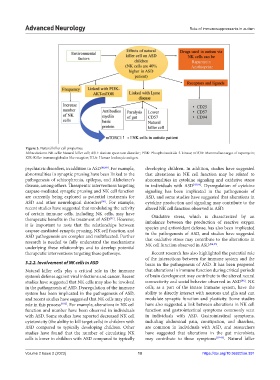
            Figure 3. Natural killer cell properties.
            Abbreviations: NK cells: Natural killer cell; ASD: Autism spectrum disorder; PI3K: Phosphoinositide-3-kinase; mTOR: Mammalian target of rapamycin;
            KIR: Killer immunoglobulin like receptor; HLA: Human leukocyte antigen.

            psychiatric disorders, in addition to ASD [88,89] . For example,   developing children. In addition, studies have suggested
            abnormalities in synaptic pruning have been linked to the   that  alterations  in  NK  cell  function  may  be  related  to
            pathogenesis of schizophrenia, epilepsy, and Alzheimer’s   abnormalities in cytokine signaling and oxidative stress
            disease, among others. Therapeutic interventions targeting   in individuals with ASD [93,94] . Dysregulation of cytokine
            caspase-mediated synaptic pruning and NK cell function   signaling has been implicated in the pathogenesis of
            are currently being explored as potential treatments for   ASD, and some studies have suggested that alterations in
            ASD and other  neurological disorders . For example,   cytokine production and signaling may contribute to the
                                            [90]
            recent studies have suggested that modulating the activity   altered NK cell function observed in ASD.
            of certain immune cells, including NK cells, may have   Oxidative stress, which is characterized by an
                                                [91]
            therapeutic benefits in the treatment of ASD . However,   imbalance between the production of reactive oxygen
            it is important to note that the relationships between   species and antioxidant defense, has also been implicated
            caspase-mediated synaptic pruning, NK cell function, and
            ASD pathogenesis are complex and multifaceted. Further   in  the  pathogenesis of  ASD,  and studies  have  suggested
            research is needed to fully understand the mechanisms   that oxidative stress may contribute to the alterations in
                                                                                             .
                                                               NK cell function observed in ASD
                                                                                          [94,95]
            underlying these relationships and to develop potential
            therapeutic interventions targeting these pathways.  Recent research has also highlighted the potential role
                                                               of the interactions between the immune system and the
            3.2.2. Involvement of NK cells in ASD              brain in the pathogenesis of ASD. It has been proposed
            Natural killer cells play a critical role in the immune   that alterations in immune function during critical periods
            system’s defense against viral infections and cancer. Recent   of brain development may contribute to the altered neural
                                                                                                       [96]
            studies have suggested that NK cells may also be involved   connectivity and social behavior observed in ASD . NK
            in the pathogenesis of ASD. Dysregulation of the immune   cells, as a part of the innate immune system, have the
            system has been implicated in the pathogenesis of ASD,   ability to directly interact with neurons and glia and can
            and recent studies have suggested that NK cells may play a   modulate synaptic function and  plasticity.  Some  studies
            role in this process [4,92] . For example, alterations in NK cell   have also suggested a link between alterations in NK cell
            function and number have been observed in individuals   function and gastrointestinal symptoms commonly seen
            with ASD. Some studies have reported decreased NK cell   in individuals with ASD. Gastrointestinal symptoms,
            cytotoxicity (the ability to kill target cells) in children with   including abdominal pain, constipation, and diarrhea,
            ASD compared to typically developing children. Other   are common in individuals with ASD, and researchers
            studies  have  found that  the  number  of  circulating  NK   have suggested that alterations in the gut microbiota
            cells is lower in children with ASD compared to typically   may contribute to these symptoms [97-99] . Natural killer


            Volume 2 Issue 2 (2023)                         10                         https://doi.org/10.36922/an.391

