


Page 73 - AN-2-2
P. 73
Advanced Neurology                                                    Role of immunosuppressants in autism


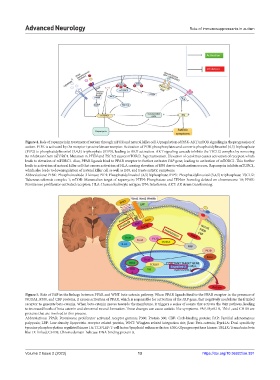
            Figure 4. Role of rapamycin in treatment of autism through mTOR and natural killer cell. Upregulation of PI3K-AKT/mTOR signaling in the progression of
            autism. PI3K is activated by the receptor tyrosine kinase receptor. Activation of PI3K phosphorylates and converts phosphatidylinositol (4,5)-biphosphate
            (PIP2) to phosphatidylinositol (3,4,5)-triphosphate (PIP3), leading to AKT activation. AKT signaling cascade inhibits the TSC1/2 complex by removing
            its inhibition from mTORC1. Mutation in PTEN and TSC1/2 causes mTORC1 hyperactivation. Elevation of cytokines causes activation of receptor, which
            leads to elevation of mTORC1. Also, PPAR ligands bind to PPAR receptor to further activates FAP gene, leading to activation of mTORC1. This further
            leads to activation of natural killer cell that causes activation of HLA causing elevation of IFN due to which autism occurs. Rapamycin inhibits mTORC1,
            which also leads to downregulation of natural killer cell as well as IFN, and treats autistic symptoms.
            Abbreviations: PI3K: Phosphoinositide-3-kinase; PIP2: Phosphatidylinositol (4,5) biphosphate; PIP3: Phosphatidylinositol (3,4,5) triphosphate; TSC1/2:
            Tuberous sclerosis complex 1; mTOR: Mammalian target of rapamycin; PTEN: Phosphatase and TENsin homolog deleted on chromosome 10; PPAR:
            Peroxisome proliferator-activated receptors; HLA: Human leukocyte antigen; IFN: Interferons; AKT: AK strain transforming.


            Figure 5. Role of FAP in the linkage between PPAR and WNT beta-catenin pathway. When PPAR ligands bind to the PPAR receptor in the presence of
            NCOA1, P300, and CBP proteins, it causes activation of PPAR, which is responsible for activation of the FAP gene, that negatively modulates the frizzled
            receptor to generate beta-catenin. When beta-catenin moves towards the membrane, it triggers a series of events that activate the Wnt pathway, leading
            to increased levels of beta-catenin and abnormal neural formation. These changes can cause autistic-like symptoms. FAP, DyrK1A, Tblx1, and CHD8 are
            proteins that are involved in this process.
            Abbreviations: PPAR: Peroxisome proliferator activated receptor gamma; P300: Protein 300; CBP: Creb-binding protein; FAP: Familial adenomatous
            polyposis; LRP: Low density lipoprotein receptor related protein; WNT: Wingless related integration site; βcat: Beta-catenin; Dyrk1A: Dual specificity
            tyrosine phosphorylation regulated kinase 1A; TCF/LEF: T-cell factor/lymphoid enhancer factor; GSK: Glycogen synthase kinase; TBL1X: Transducin beta
            like 1X-linked; CHD8: Chromodomain-helicase-DNA binding protein 8.


            Volume 2 Issue 2 (2023)                         13                         https://doi.org/10.36922/an.391

