


Page 85 - AN-4-4
P. 85
Advanced Neurology                                                   Cytokine response to EV therapy in SCI


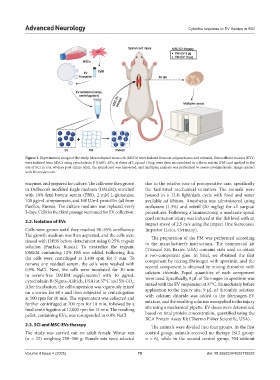
            Figure 1. Experimental design of the study. Mesenchymal stem cells (MSCs) were isolated from rat adipose tissue and cultured. Extracellular vesicles (EVs)
            were isolated from MSCs using cytochalasin B (CytB). EVs, at doses of 5 µg and 10 µg, were then encapsulated in a fibrin matrix (FM) and applied to the
            site of SCI in rats. 60 days post-injury (dpi), the spinal cord was harvested, and multiplex analysis was performed to assess cytokine levels. Image created
            with Biorender.com.

            enzymes, and prepared for culture. The cells were then grown   due to the relative ease of postoperative care, specifically
            in Dulbecco’s modified Eagle medium (DMEM), enriched   the facilitated mechanical urination. The animals were
            with 10% fetal bovine serum (FBS), 2 mM L-glutamine,   housed in a 12-h light/dark cycle with food and water
            100 µg/mL streptomycin, and 100 U/mL penicillin (all from   available  ad libitum. Anesthesia was administered using
            PanEco, Russia). The culture medium was replaced every   isoflurane (1.3%) and zoletil (20  mg/kg) for all surgical
            3 days. Cells in the third passage were used for EV collection.  procedures. Following a laminectomy, a moderate spinal
                                                               cord contusion injury was induced at the Th8 level with an
            2.2. Isolation of EVs                              impact speed of 2.5 m/s using the Impact One Stereotaxic
            Cells were grown until they reached 90–95% confluency.   Impactor (Leica, Germany).
            The growth medium was then aspirated, and the cells were   The preparation of the FM was performed according
            rinsed with DPBS before detachment using 0.25% trypsin   to the manufacturer’s instructions. The commercial kit
            solution  (PanEco,  Russia).  To neutralize  the  trypsin,   (Tissucol Kit, Baxter, USA) contains vials used to obtain
            DMEM containing 10% FBS was added. Following this,   a two-component glue. In brief, we obtained the first
            the cells were centrifuged at 1,400  rpm for 5  min. To   component by mixing fibrinogen with aprotinin, and the
            remove any residual serum, the cells were washed with   second component is obtained by mixing thrombin with
            0.9% NaCl. Next, the cells were incubated for 30  min
            in serum-free DMEM supplemented with 10  µg/mL     calcium chloride. Equal quantities of each component
            cytochalasin B (Sigma-Aldrich, USA) at 37°C and 5% CO .   were used. Specifically, 9 µL of fibrinogen in aprotinin was
                                                               mixed with the EV suspension at 37°C. Immediately before
                                                         2
            After incubation, the cell suspension was vigorously mixed   application to the injury site, 9 µL of thrombin solution
            on a vortex for 60 s and then subjected to centrifugation
            at 500 rpm for 10 min. The supernatant was collected and   with calcium chloride was added to the fibrinogen-EV
            further centrifuged at 700 rpm for 10 min, followed by a   mixture, and the resulting solution was applied to the injury
            final centrifugation at 12,000 rpm for 15 min. The resulting   site using a mechanical pipette. EV doses were determined
            pellet, containing EVs, was resuspended in 0.9% NaCl.  based on total protein concentration, quantified using the
                                                               BCA Protein Assay Kit (Thermo Fisher Scientific, USA).
            2.3. SCI and MSC-EVs therapy                         The animals were divided into four groups. In the first
            The study  was carried out on adult female  Wistar rats   control group, animals received no therapy (SCI group:
            (n = 23) weighing 250–300 g. Female rats were selected   n = 6), while in the second control group, FM without


            Volume 4 Issue 4 (2025)                         79                           doi: 10.36922/AN025110022

