


Page 87 - AN-4-4
P. 87
Advanced Neurology                                                   Cytokine response to EV therapy in SCI


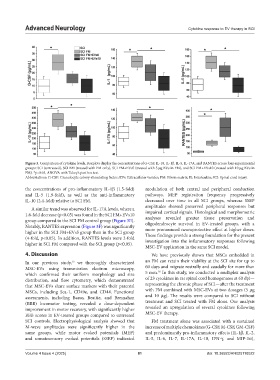
            Figure 3. Comparison of cytokine levels. Boxplots display the concentrations of G-CSF, IL-10, IL-1β, IL-5, IL-17A, and RANTES across four experimental
            groups: SCI (untreated), SCI FM (treated with FM only), SCI FM+EVs5 (treated with 5 µg EVs in FM), and SCI FM+EVs10 (treated with 10 µg EVs in
            FM). *p<0.05, ANOVA with Tukey’s post hoc test.
            Abbreviations: G-CSF: Granulocyte colony-stimulating factor; EVs: Extracellular vesicles; FM: Fibrin matrix; IL: Interleukin; SCI: Spinal cord injury.

            the  concentrations  of  pro-inflammatory  IL-1β  (1.5-fold)   modulation of both central and peripheral conduction
            and IL-5  (1.9-fold), as well as the  anti-inflammatory   pathways. MEP registration frequency progressively
            IL-10 (2.4-fold) relative to SCI FM.               decreased over time in all SCI groups, whereas SSEP

              A similar trend was observed for IL-17A levels, where a   amplitudes showed preserved peripheral responses but
            1.6-fold decrease (p<0.05) was found in the SCI FM+EVs10   impaired cortical signals. Histological and morphometric
                                                               analyses revealed greater tissue preservation and
            group compared to the SCI FM control group (Figure 3E).
            Notably, RANTES expression (Figure 3F) was significantly   oligodendrocyte survival in EV-treated groups, with a
            higher in the SCI FM+EVs5 group than in the SCI group   more pronounced neuroprotective effect at higher doses.
                                                               These findings provide a strong foundation for the present
            (4-fold, p<0.05). In addition, RANTES levels were 2-fold
            higher in SCI FM compared with the SCI group (p<0.05).  investigation into the inflammatory responses following
                                                               MSC-EV application in the same SCI model.
            4. Discussion                                        We have previously shown that MSCs embedded in

                                12
            In our previous study,  we thoroughly characterized   an FM can retain their viability at the SCI site for up to
            MSC-EVs using transmission electron microscopy,    60 days and migrate rostrally and caudally for more than
                                                                    16
            which confirmed their uniform morphology and size   5 mm.  In this study, we conducted a multiplex analysis
            distribution, and flow cytometry, which demonstrated   of 23 cytokines in rat spinal cord homogenates at 60 dpi—
            that MSC-EVs share surface markers with their parental   representing the chronic phase of SCI—after the treatment
            MSCs,  including  Sca-1,  CD49e,  and CD44.  Functional   with FM combined with MSC-EVs at two dosages (5 µg
            assessments,  including  Basso,  Beattie,  and  Bresnahan   and 10  µg). The results were compared to SCI without
            (BBB) locomotor testing, revealed a dose-dependent   treatment and SCI treated with FM alone. Our analysis
            improvement in motor recovery, with significantly higher   revealed an upregulation of several cytokines following
            BBB scores in EV-treated groups compared to untreated   MSC-EV therapy.
            SCI controls. Electrophysiological analysis showed that   FM  treatment  alone  was  associated  with  a  sustained
            M-wave amplitudes were significantly higher in the   increase of multiple chemokines (G-CSF, M-CSF, GM-CSF)
            same groups, while motor evoked potentials (MEP)   and predominantly pro-inflammatory effects (IL-1β, IL-2,
            and somatosensory evoked potentials (SSEP) indicated   IL-5, IL-6, IL-7, IL-17A, IL-18, IFN-γ, and MIP-3α),


            Volume 4 Issue 4 (2025)                         81                           doi: 10.36922/AN025110022

