


Page 15 - ARNM-1-1
P. 15
Advances in Radiotherapy
            & Nuclear Medicine                                                Seed implantation head-and-neck carcinoma


            A                       B                          or the skull base. The prescribed dose was 100 – 160 Gy.
                                                               The 2-, 5-, and 10-year LC rates were 86.3%, 59%, and
                                                               31.5%, respectively. The 2-, 5-, and 10-year OS rates were
                                                               92.1%, 65%, and 34.1%, respectively. Tumors >6 cm had
                                                               significantly lowered LC and OS. No severe complications
                                                               were observed during the follow-up period. I-125 RSI-BT
                                                               is a feasible and effective modality for the treatment of

            C                                                  locally advanced unresectable or recurrent ACC.
                                                                 Mao et al.  conducted a study involving 24 patients
                                                                          [22]
                                                               diagnosed with mucoepidermoid carcinoma (MEC)
                                                               of  the  parotid  gland.  Patients  with  high-risk  factors
                                                               underwent I-125 RSI-BT (median actuarial D90: 97 Gy)
                                                               within 4  weeks following surgery. The radioactivity
                                                               administered ranged from 18.5 to 33.3 MBq per seed, and
                                                               the PD ranged from 60 to 120 Gy. The follow-up period
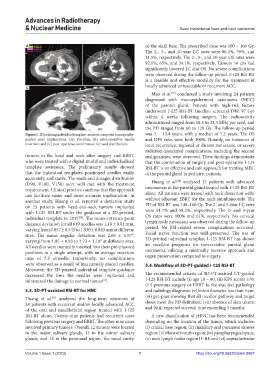
            Figure 1. 3D printing individual template-assisted computed tomography-  was 5 – 13.4  years, with a median of 7.2  years. The OS
            guided seed implantation. (A) Pre-plan; (B) intra-operative needle   and DFS rates were both 100%. Notably, no instances of
            insertion; and (C) post-operative confirmation for seed distribution.  local recurrence, regional or distant metastasis, or severe
                                                               radiation-associated complications, including the second
            tumors in the head and neck after surgery and EBRT,   malignancies, were observed. These findings demonstrate
            who were treated with a digital model and individualized   that the combination of surgery and post-operative I-125
            template assistance. The preliminary results showed   RSI-BT is an effective and safe approach for treating MEC
            that the individual templates positioned needles easily,   of the parotid gland in pediatric patients.
            accurately, and stable. The seeds and dosages distribution      [42]
            (D90, V100, V150) were well met with the treatment   Huang  et al.  analyzed 13  patients with advanced
            requirement. Clinical practice confirms that this approach   carcinomas of the parotid gland treated with I-125 RSI-BT
            can facilitate easier and more accurate implantation. In   alone. All patients were treated with neck dissection with/
            another study, Huang  et al. reported a deviation study   without adjuvant EBRT for the neck simultaneously. The
            on  25  patients  with  head-and-neck  tumors implanted   PD of RSI-BT was 140–160 Gy. The 2- and 5-year LC rates
            with I-125 RSI-BT under the guidance of a 3D-printed,   were 91.7% and 58.2%, respectively. The 2-  and 5-year
            individual template in 2015 . The mean entrance point   OS rates were 100% and 61%, respectively. No cervical
                                  [18]
            distance deviation for all 619 needles was 1.18 ± 0.81 mm,   lymph node metastasis was observed during the follow-up
            varying from 0.857 ± 0.545 to 1.930 ± 0.843 mm at different   period.  No  RSI-related  severe  complications  occurred.
            sites. The mean  angular  deviation  was  2.08  ±  1.07°,   Facial nerve function was well preserved. The use of
            varying from 1.85 ± 0.93 to 2.73 ± 1.18° at different sites.   3D-printed individual template I-125 RSI-BT has shown
            All needles were manually inserted into their pre-planned   an excellent prognosis for unresectable parotid gland
            positions in a single attempt, with an average insertion   carcinoma, offering a minimally invasive approach and
            time of 7.5 s/needle. Importantly, no complications   organ preservation compared to surgery.
            were observed as a result of inaccurately placed needles.   5.4. Workflow of 3D-PT-guided I-125 RSI-BT
            Moreover, the 3D-printed individual template guidance
            decreased the time the needles were implanted and   The recommended criteria of 3D-PT-assisted CT-guided
            minimized the damage to normal tissues .           I-125 RSI-BT include (i) age 18 – 80; (ii) KPS scores ≥70;
                                             [41]
                                                               (iii) previous surgery or EBRT to the site; (iv) pathology
            5.3. 3D-PT-assisted RSI-BT for HNC                 and radiology diagnosis; (v) lesion diameter less than 5 cm;
            Huang  et al.  analyzed the long-term outcomes of   (vi) pre-plan showing that all needles’ pathway and target
                       [41]
            38 patients with recurrent and/or locally advanced ACC   doses meet the PD definition; (vii) absence of skin ulcers;
            of the oral and maxillofacial region treated with I-125   and (viii) expected survival time exceeding 3 months.
            RSI-BT alone. Twenty-nine patients had recurrent cases   A new classification of rHNC has been recommended
            following previous surgery and EBRT. The other nine cases   depending on the location of the tumor, which includes:
            involved primary tumors. Overall, 12 tumors were located   (i) cranial base region; (ii) maxillary and paranasal sinuses
            in  the  major  salivary  glands,  12  in  the  minor  salivary   region; (iii) floor of mouth region; (iv) parapharyngeal space;
            glands, and 14 in the paranasal region, the nasal cavity,   (v) neck lymph nodes region Ⅱ–Ⅲ; and (vi) supraclavicular


            Volume 1 Issue 1 (2023)                         7                       https://doi.org/10.36922/arnm.0907

