


Page 27 - ARNM-2-1
P. 27
Advances in Radiotherapy
            & Nuclear Medicine                                             Is 5-mm PTV margin 4D-CT-based radiotherapy


            to unnecessary irradiation of at-risk organs. In contrast,   of 0.15,0.33, and 0.21 cm and δ x,y,z  of 0.14,0.46, and 0.23 cm
            the plans generated based on the 4D-CT-based volume   with a required PTV margin of 0.69 cm, 1.16 cm, and
            are smaller and cannot adequately cover the FBCT-based   0.47 cm in the X, Y, and Z axes. The corrected translational
            volume. This does not necessarily mean inferior PTV   vector resulted in a systematic and random error of 0.11
            coverage, as we have seen in our study that none of the   and 0.3 cm, with a required PTV margin of 0.48 cm. Shifts
            patients experienced locoregional recurrence.      of more than 5 mm in the X, Y, and Z axes were noted in
              Response  assessment scans were performed 4  weeks   1%, 32.67%, and 7.9% of cases, respectively.
            to 3 months after the completion of concurrent     4. Discussion
            chemoradiotherapy. Those planned for adjuvant durvalumab
            had a response assessment CT scan at 4 – 6 weeks; otherwise,   Our study revealed that 4D-CT-based radiotherapy
            patients underwent a response assessment scan 3 months   planning for locally advanced lung cancer with a reduced
            after the completion of treatment. Forty percent of patients   PTV margin of 5 mm can significantly reduce PTV and
            developed a complete response. Forty-eight percent of the   OAR doses without compromising PTV coverage compared
            patients developed a partial response. Two patients had a   to FBCT-based planning with a population-based PTV
            stable disease (Table 4). Locoregional progression was not   margin. This study will also help other centers set up 4D-CT
            observed. Four patients who developed progressive disease   image-based guided radiotherapy for locally advanced lung
            recurred distally (two patients progressed in the brain, one   cancer with a reduced PTV margin, provided they meet
            in the abdominal nodes, and the other in the liver). These   standard licensing  requirements  and have  trained  staff
            four  patients already had M1 disease but were treated   and facilities for real-time position management systems,
            radically in view of oligometastatic disease.      infrared cameras, and infrared reflective markers.

              We retrospectively analyzed the setup data (CBCT) of   Previously,  most  radiotherapy  centers  used  helical
            1,010 fractions of 50 patients for PTV coverage and shifts.   FBCT  for  lung  radiotherapy  contouring  and  planning.
            Offline imaging verification of uncorrected setup errors   This FBCT is associated with several inherent problems:
            revealed that 95% (960 fractions) of the time, the primary   (i) it does not account for breathing movement; (ii) it often
            tumor was within the PTV. After image matching and   produces distorted images owing to motion artifacts during
            correction, we got a systematic and random error of ∑ x,y,z   the CT scan; (iii) it may result in blurred gross tumors
                                                               due to respiratory and tumor motion and may create
                                                               uncertainties in target delineation, which will eventually
                                                               lead to suboptimal target coverage and unnecessary
                                                               dose to OARs.  Considering the respiratory motion, the
                                                                           20
                                                               4D-CT scan reconstructs the 3D volume as a function of
                                                               time. Multiple 3D imaging datasets reflecting the entire
                                                               trajectory of the lung tumor and OARs were produced by
                                                               the 4D-CT scan. The ITV, consisting of the total GTV, is
                                                               determined by considering all imaging datasets. Therefore,
                                                               when planning 4D-CT-based lung radiation, a narrower
                                                               PTV margin can be employed, but only to account for daily
                                                               setup uncertainties. 21
                                                                 Numerous researchers have assessed 4D-CT’s
                                                               usefulness in radical lung radiation treatment. In their
                                                               study, Rietze et al. demonstrated that the GTV contoured
                                                               on a helical CT scan was less than the GTV calculated as a
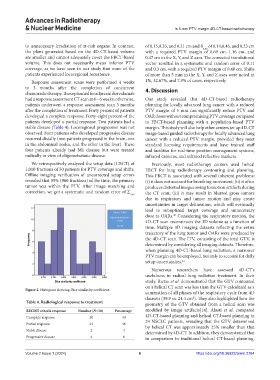
            Figure 2. Histogram showing Dice similarity coefficient.
                                                               summation of all phases of the respiratory cycle from 4D
                                                               datasets (39.9 vs. 24.4 cm ). They also highlighted how the
                                                                                   3
            Table 4. Radiological response to treatment        geometry of the GTV obtained from a helical scan was
            RECIST criteria response  Number (N=50)  Percentage  modified by image artifacts[14]. Alasti  et al. compared
            Complete response          20            40        4D-CT-based planning and helical CT-based planning in
            Partial response           24            48        24 NSCLC patients, revealing that the GTV determined
                                                               by helical CT was approximately 25% smaller than that
            Stable disease             2             4         determined by 4D-CT. In addition, they demonstrated that
            Progressive disease        4             8         in comparison to traditional helical CT-based planning,


            Volume 2 Issue 1 (2024)                         6                       https://doi.org/10.36922/arnm.2784

