


Page 58 - ARNM-3-1
P. 58
Advances in Radiotherapy
            & Nuclear Medicine                                                   The novel index and osteoradionecrosis


            Table 2. Definition of the combined PIV and TE groups and
            PIV‑TE‑ORNJ index groups
            Characteristics                Definition
            Combined PIV and TE groups
             Group 1                PIV<833 and Pre-C-CRT TE˂4
             Group 2                PIV<833 and Pre-C-CRT TE≥4
             Group 3                PIV≥833 and Pre-C-CRT TE˂4
             Group 4                PIV≥833 and Pre-C-CRT TE≥4
            PIV-TE-ORNJ index groups
             Low risk               PIV<833 and Pre-C-CRT TE˂4
             Intermediate risk      PIV<833 and Pre-C-CRT TE≥4
             High risk              or PIV≥833 and Pre-C-CRT TE˂4
                                    PIV≥833 and Pre-C-CRT TE≥4
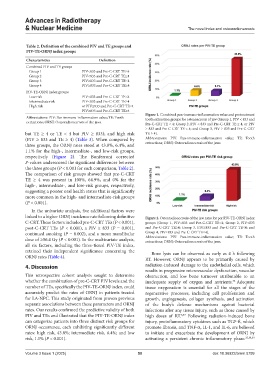
                                                               Figure 1. Combined pan-immune-inflammation value and pretreatment
            Abbreviations: PIV: Pan-immune-inflammation value; TE: Tooth   tooth extraction groups for osteonecrosis of jaw (Group 1, PIV < 833 and
            extractions; ORNJ: Osteoradionecrosis of the jaws.  Pre-C-CRT TE < 4; Group 2, PIV < 833 and Pre-C-CRT TE ≥ 4, or PIV
                                                               ≥ 833 and Pre-C-CRT TE < 4; and Group 3, PIV ≥ 833 and Pre-C-CRT
            but TE ≥ 4 or TE < 4 but PIV ≥ 833); and high risk   TE ≥ 4).
            (PIV ≥ 833 and TE ≥ 4) (Table 3). When compared by   Abbreviations: PIV: Pan-immune-inflammation value; TE: Tooth
            three groups, the ORNJ rates stood at 43.8%, 6.4%, and   extractions; ORNJ: Osteoradionecrosis of the jaws.
            1.1% for the high-, intermediate-, and low-risk groups,
            respectively (Figure  2). The Bonferroni corrected
            P-values underscored the significant differences between
            the three groups (P < 0.001 for each comparison, Table 2).
            The comparison of risk groups showed that pre-C-CRT
            TE ≥ 4 was present in 100%, 64.9%, and 0% for the
            high-, intermediate-, and low-risk groups, respectively,
            suggesting a poorer oral health status that is significantly
            more common in the high- and intermediate-risk groups
            (P < 0.001).
              In the univariate analysis, five additional factors were
            linked to a higher ORNJ incidence rate following definitive   Figure 2. Osteoradionecrosis of the jaw rates for per PIV-TE-ORNJ index
            C-CRT. These factors included pre-C-CRT TEs (P < 0.001),   groups  (Group  1, PIV<833  and Pre-C-CRT  TE˂4; Group  2, PIV<833
            post-C-CRT TEs (P  < 0.001),  a PIV ≥ 833 (P  = 0.001),   and  Pre-C-CRT  TE≥4;  Group  3,  PIV≥833  and  Pre-C-CRT  TE˂4;  and
            continued smoking (P = 0.002), and a mean mandibular   Group 4, PIV≥833 and Pre-C-CRT TE≥4).
            dose of ≥56.4 Gy (P < 0.001). In the multivariate analysis,   Abbreviations: PIV: Pan-immune-inflammation value; TE: Tooth
                                                               extractions; ORNJ: Osteoradionecrosis of the jaws.
            all six factors, including the three-tiered PIV-TE index,
            retained their independent significance concerning the   Bone lysis can be observed as early as 4  h following
            ORNJ rates (Table 4).                              RT. However, ORNJ appears to be primarily caused by

            4. Discussion                                      radiation-induced damage to the endothelial cells, which
                                                               results in progressive microvascular dysfunction, vascular
            This retrospective cohort analysis sought to determine   obstruction, and low bone turnover attributable to an
            whether the combination of pre-C-CRT PIV levels and the   inadequate supply of oxygen and nutrients. Adequate
                                                                                                    36
            number of TEs, specifically the PIV-TE-ORNJ index, could   tissue oxygenation is essential for all the stages of the
            accurately predict the rates of ORNJ in patients treated   regenerative processes, including cell proliferation and
            for LA-NPC. This study originated from proven previous   growth, angiogenesis, collagen synthesis, and activation
            separate associations between these parameters and ORNJ   of the body’s defense mechanisms against bacterial
            rates. Our results confirmed the predictive validity of both   infections after any tissue injury, such as those caused by
            PIV and TEs and illustrated that the PIV-TE-ORNJ index   high doses of RT.  Following radiation-induced bone
                                                                              6,37
            can categorize patients into three distinct risk groups for   injury, proinflammatory cytokines such as TGF-ß, which
            ORNJ occurrence, each exhibiting significantly different   promote fibrosis, and TNF-α, IL-1, and IL-6, are believed
            rates: high risk, 43.8%; intermediate risk, 6.4%; and low   to initiate and exacerbate the development of ORNJ by
            risk, 1.1% (P < 0.001).                            activating a persistent chronic inflammatory phase. 35,38,39


            Volume 3 Issue 1 (2025)                         50                             doi: 10.36922/arnm.5799

