


Page 61 - DP-2-2
P. 61
Design+                                                               Da Vinci AI Tutor in art history learning


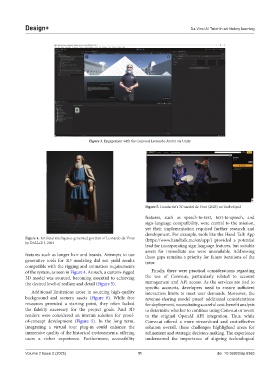
                                       Figure 3. Engagement with the Convo.ai Leonardo Avatar via Unity


                                                               Figure 5. Goodartist’s 3D model da Vinci (2023) on TurboSquid

                                                               features, such as speech-to-text, text-to-speech, and
                                                               sign-language compatibility, were central to the mission,
                                                               yet their implementation required further research and
                                                               development. For example, tools like the Hand Talk App
            Figure 4. Artificial intelligence-generated portrait of Leonardo da Vinci   (https://www.handtalk.me/en/app/) provided a potential
            by DALL•E 3, 2024
                                                               lead for incorporating sign language features, but suitable
                                                               assets for immediate use were unavailable. Addressing
            features such as longer hair and beards. Attempts to use   these gaps remains a priority for future iterations of the
            generative tools for 3D modeling did not yield results   tutor.
            compatible with the rigging and animation requirements
            of the system, as seen in Figure 4. As such, a custom-rigged   Finally,  there  were  practical  considerations  regarding
            3D model was sourced, becoming essential to achieving   the  use  of  Convo.ai,  particularly  related  to  account
            the desired level of realism and detail (Figure 5).  management and API access. As the services are tied to
                                                               specific accounts, developers need to ensure sufficient
              Additional limitations arose in sourcing high-quality   interaction limits to meet user demands. Moreover, the
            background and scenery assets (Figure  6). While free   revenue-sharing model posed additional considerations
            resources  provided  a  starting  point,  they  often  lacked   for deployment, necessitating a careful cost-benefit analysis
            the fidelity necessary for the project goals. Paid 3D   to determine whether to continue using Convo.ai or revert
            renders were considered an interim solution for proof-  to  the  original  OpenAI  API  integration.  Thus,  while
            of-concept development (Figure  5). In the long term,   Convo.ai offered a more streamlined and cost-effective
            integrating a virtual tour plug-in could enhance the   solution overall, these challenges highlighted areas for
            immersive quality of the historical environments, offering   refinement and strategic decision-making. The experience
            users a richer experience. Furthermore, accessibility   underscored the importance of aligning technological


            Volume 2 Issue 2 (2025)                         11                               doi: 10.36922/dp.8365

