


Page 113 - DP-2-3
P. 113
Design+                                                              Building code app benefits for designers


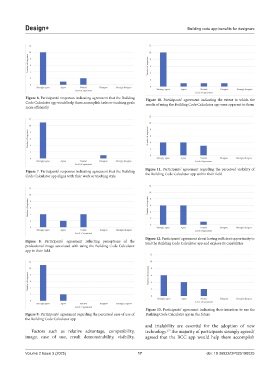
            Figure 6. Participants’ responses indicating agreement that the Building   Figure  10.  Participants’ agreement indicating the extent to which the
            Code Calculator app would help them accomplish tasks or teaching goals   results of using the Building Code Calculator app were apparent to them
            more efficiently


                                                               Figure 11. Participants’ agreement regarding the perceived visibility of
            Figure 7. Participants’ responses indicating agreement that the Building   the Building Code Calculator app within their field
            Code Calculator app aligns with their work or teaching style


                                                               Figure 12. Participants’ agreement about having sufficient opportunity to
            Figure  8.  Participants’ agreement reflecting perceptions of the   trial the Building Code Calculator app and explore its capabilities
            professional image associated with using the Building Code Calculator
            app in their field


                                                               Figure 13. Participants’ agreement indicating their intention to use the
            Figure 9. Participants’ agreement regarding the perceived ease of use of   Building Code Calculator app in the future
            the Building Code Calculator app
                                                               and trialability are  essential  for the  adoption  of  new
              Factors such as relative advantage, compatibility,   technology.  The majority of participants strongly agreed/
                                                                        17
            image, ease of use, result demonstrability, visibility,   agreed that the BCC app would help them accomplish


            Volume 2 Issue 3 (2025)                         17                           doi: 10.36922/DP025190025

