


Page 141 - EJMO-9-2
P. 141
Eurasian Journal of
            Medicine and Oncology                                                     Ovarian cyst differentiation score


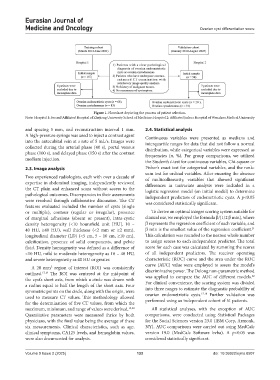
                                         Figure 1. Flowchart depicting the process of patient selection.
            Note: Hospital 1: Second Affiliated Hospital of Zhejiang University School of Medicine; Hospital 2: Affiliated Jinhua Hospital of Wenzhou Medical University


            and spacing 5  mm, and reconstruction interval 1  mm.   2.4. Statistical analysis
            A high-pressure syringe was used to inject a contrast agent   Continuous variables were presented as medians and
            into the antecubital vein at a rate of 5 mL/s. Images were   interquartile ranges for data that did not follow a normal
            collected during the arterial phase (40 s), portal venous   distribution, while categorical variables were expressed as
            phase (100 s), and delayed phase (150 s) after the contrast   frequencies (n, %). For group comparisons, we utilized
            medium injection.
                                                               the Student’s t-test for continuous variables, Chi-square or
            2.3. Image analysis                                Fisher’s exact test for categorical variables, and the rank-
                                                               sum test for ordinal variables. After ensuring the absence
            Two experienced radiologists, each with over a decade of   of multicollinearity, variables that showed significant
            expertise in abdominal imaging, independently reviewed   differences in univariate analysis were included in a
            the  CT  plain  and  enhanced  scans  without  access  to  the   logistic regression model (an initial model) to determine
            pathological outcomes. Discrepancies in their assessments   independent predictors of endometriotic cysts. A p<0.05
            were  resolved  through  collaborative  discussion. The  CT   was considered statistically significant.
            features evaluated included the number of cysts (single
            or multiple), contour (regular or irregular), presence   To derive an optimal integer scoring system suitable for
            of marginal adhesions (absent or present), intra-cystic   clinical use, we employed the formula β/(1/2 β min), where
            density heterogeneity (<10 hounsfield unit [HU],  10 –   β represents the regression coefficient of each variable, and
                                                                                                            21
            40 HU, ≥40 HU), wall thickness (<2  mm or ≥2  mm),   β min is the smallest value of the regression coefficient.
            longitudinal diameter (LD) (<5 cm, 5 – 10 cm, ≥10 cm),   This calculation was rounded to the nearest whole number
            calcification,  presence  of solid  components,  and pelvic   to assign scores to each independent predictor. The total
            fluid. Density homogeneity was defined as a difference of   score for each case was calculated by summing the scores
            <10 HU, mild to moderate heterogeneity as 10 – 40 HU,   of all independent predictors. The receiver operating
            and severe heterogeneity as 40 HU or greater.      characteristic (ROC) curve and the area under the ROC
                                                               curve (AUC) value were employed to assess the model’s
              A 20 mm² region of interest (ROI) was consistently
            outlined. 17,18  The ROI was centered at the midpoint of   discriminative power. The Delong non-parametric method
                                                                                                            22
            the cyst’s short axis, from which a circle was drawn with   was applied to compare the AUC of different models.
            a radius equal to half the length of the short axis. Four   For clinical convenience, the scoring system was divided
            symmetric points on the circle, along with the origin, were   into three ranges to estimate the diagnostic probability of
                                                                                       17,18
            used to measure CT values. This methodology allowed   ovarian endometriotic cysts.   Further validation was
            for the determination of five CT values, from which the   performed using an independent cohort of 51 patients.
            maximum, minimum, and range of values were derived. 19,20    All statistical analyses, with the exception of AUC
            Quantitative parameters were measured thrice by both   comparisons, were conducted using Statistical Packages
            physicians, with the final value being the average of these   for the Social Sciences version 23.0 (IBM Corp, Armonk,
            six measurements. Clinical characteristics, such as age,   NY). AUC comparisons were carried out using MedCalc
            clinical symptoms, CA125 levels, and hemoglobin values,   version  19.0 (MedCalc Software bvba). A  p<0.05 was
            were also documented for analysis.                 considered statistically significant.


            Volume 9 Issue 2 (2025)                        133                              doi: 10.36922/ejmo.8507

