


Page 144 - EJMO-9-2
P. 144
Eurasian Journal of
            Medicine and Oncology                                                     Ovarian cyst differentiation score


            Table 2. Multivariate regression analysis for ovarian endometriotic cysts diagnosis and the weighted score of independent
            predictors
            Variables                      Weighted score  B       Standard error  p       OR      95% CI for OR
            Elevated CA125                     4          6.472       2.170       0.003   28.47    5.11 – 158.55
            20 < Age ≤ 50                      4          7.339       3.282       0.025   0.17      0.04 – 0.72
            Wall thickness ≥2 mm               3          5.365       2.027       0.008   7.45      1.59 – 34.82
            Marginal adhesions                 2          3.725       1.640       0.023   6.97      1.16 – 41.7
            Mild to moderate density heterogeneity  2     3.298       1.524       0.030   0.23      0.06 – 0.86
            CI: Confidence interval; OR: Odds ratio.

            Table 3. Diagnostic probability of ovarian endometriotic cysts classified in different score ranges
            Score range  Number of patients with ovarian   Total number           Diagnostic probability of ovarian
                              endometriotic cysts                                      endometriotic cysts
                        Training cohort  Validation cohort  Training cohort  Validation cohort  Training cohort (%)  Validation cohort (%)
            0 – 6 points     0            0             70           28              0               0
            7 – 8 points     7            1             18            3            38.89            33.33
            >8 – ≤15 points  61           19            63           20            96.83            95.00


            A                       B


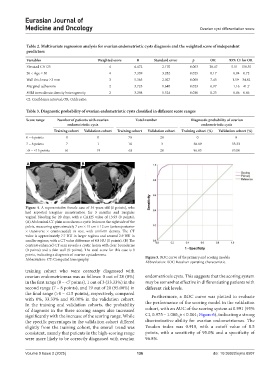
            Figure 4. A representative female case of 54 years old (0 points), who
            had reported irregular menstruation for 3  months and irregular
            vaginal  bleeding  for  20  days,  with  a  CA125  value  of  13.93  (0  points).
            (A) Abdominal CT plain scan shows a cystic lesion on the right side of the
            pelvis, measuring approximately 7 cm × 15 cm × 12 cm (anteroposterior
            × transverse × craniocaudal) in size, with uniform density. The CT
            value is approximately 7.7 HU in larger regions and around 2.9 HU in
            smaller regions, with a CT value difference of 4.8 HU (0 points). (B) The
            contrast-enhanced CT scan reveals a cystic lesion with clear boundaries
            (0 points) and a thin wall (0 points). The total score for this case is 0
            points, indicating a diagnosis of ovarian cystadenoma.  Figure 5. ROC curve of the primary and scoring models
            Abbreviation: CT: Computed tomography.
                                                               Abbreviation: ROC: Receiver operating characteristic.
            training cohort who were correctly diagnosed with
            ovarian endometriomas was as follows: 0 out of 28 (0%)   endometriosis cysts. This suggests that the scoring system
            in the first range (0 – <7 points), 1 out of 3 (33.33%) in the   may be somewhat effective in differentiating patients with
            second range (7 – 8 points), and 19 out of 20 (95.00%) in   different risk levels.
            the final range (>8 – ≤15 points), respectively, compared   Furthermore, a ROC curve was plotted to evaluate
            with 0%, 33.33% and 95.00% in the validation cohort.
            In the training and validation cohorts, the probability   the performance of the scoring model in the validation
            of diagnosis in the three scoring ranges also increased   cohort, with an AUC of the scoring system at 0.991 (95%
            significantly with the increase of the scoring range. While   CI, 0.975 – 1.000, p < 0.001; Figure 6), indicating a strong
            the specific percentages in the validation cohort differed   discriminative ability for ovarian endometriomas. The
            slightly from the training cohort, the overall trend was   Youden index was 0.918, with a cutoff value of 8.5
            consistent, namely that patients in the high-scoring range   points, with a sensitivity of 95.0% and a specificity of
            were more likely to be correctly diagnosed with ovarian   96.8%.


            Volume 9 Issue 2 (2025)                        136                              doi: 10.36922/ejmo.8507

