


Page 88 - EJMO-9-2
P. 88
Eurasian Journal of Medicine and
            Oncology
                                                                              Cancer pathway ranking through odds ratios


            facilitating the discovery of new treatment strategies, and
            the development of targeted therapies aimed at disrupting
            the aberrant signaling events that sustain tumor growth.
              In  summary,  understanding  the  complex  network
            of PPIs and their roles in cancer is crucial for advancing
            knowledge of tumor biology and developing more effective
            cancer treatments. Advanced network analysis techniques
            and  statistical  methods,  such  as  the  OR  test,  enable  the
            identification of key proteins and pathways integral to
            cancer progression. While enhancing our understanding
            of the molecular mechanisms driving cancer, findings
            from such studies will provide critical insights into cancer
            diagnosis, prognosis, and treatment, which are crucial
            for the development of more personalized and targeted
            therapies for patients. 19
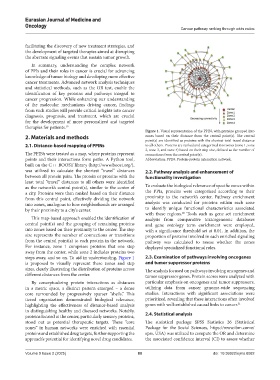
                                                               Figure 1. Visual representation of the PPIN, with proteins grouped into
            2. Materials and methods                           zones based on their distance from the central point(s). The central
                                                               point(s) are identified as proteins with the shortest total travel distance
            2.1. Distance-based mapping of PPINs               to all others. Proteins are ranked and categorized into zones (zone 1, zone
                                                               2, zone 3, and zone 4) based on their step size, defined as the number of
            The PPINs were treated as a map, where proteins represent   connections from the central point(s).
            points and their interactions form paths. A Python tool,   Abbreviation: PPIN: Protein-protein interaction network.
            built on the C++ BOOST library (http://www.boost.org/),
            was utilized to calculate the shortest “travel” distances   2.2. Pathway analysis and enhancement of
            between all protein pairs. The protein or proteins with the   functionality investigation
            least total “travel” distances to all others were identified
            as the network’s central point(s), similar to the center of   To evaluate the biological relevance of specific zones within
            a city. Proteins were then ranked based on their distance   the PPIs, proteins were categorized according to their
            from this central point, effectively dividing the network   proximity to the network’s center. Pathway enrichment
            into zones, analogous to how neighborhoods are arranged   analysis  was  conducted  for  proteins  within  each  zone
            by their proximity to a city’s center.             to identify unique functional characteristics associated
                                                                              20
                                                               with these regions.  Tools such as gene set enrichment
              This map-based approach enabled the identification of   analysis from comparative toxicogenomic databases
            central point(s) and the grouping of remaining proteins   and gene ontology term enrichment were employed,
            into zones based on their proximity to the center. The step   with a significance threshold set at 0.01. In addition, the
            size represents the number of connections or transitions   proportion of proteins involved in each enriched signaling
            from the central point(s) to each protein in the network.   pathway was calculated to assess whether  the zones
            For instance, zone 1 comprises proteins that one step   displayed specialized functional roles.
            away from the center, while zone 2 includes proteins two
            steps away, and so on. To aid in understanding, Figure 1   2.3. Examination of pathways involving oncogenes
            is proposed to visually represent these zones and step   and tumor suppressor proteins
            sizes, clearly illustrating the distribution of proteins across   The analysis focused on pathways involving oncogenes and
            different distances from the center.               tumor suppressor genes. Protein scores were analyzed with
              By conceptualizing protein interactions as distances   particular emphasis on oncogenes and tumor suppressors,
            in a metric space, a distinct pattern emerged – a dense   utilizing data from cancer genome-wide sequencing
            core surrounded by progressively sparser “shells.” This   studies. Interactions with significant associations were
            tiered organization demonstrated biological relevance,   prioritized, revealing that these interactions often involved
            highlighting the effectiveness of distance-based analysis   genes with well-established causal links to cancer. 21
            in distinguishing healthy and diseased networks. Notably,
            proteins located at the center, particularly sensory proteins,   2.4. Statistical analysis
            stood out as potential therapeutic targets. These “core   The statistical package SPSS Statistics 26 (Statistical
            zones”  in  human  networks  were  enriched  with  essential   Package for the Social Sciences, https://www.ibm.come/
            proteins and established drug targets, further supporting the   spss, USA) was utilized to compute the OR and determine
            approach’s potential for identifying novel drug candidates.  the associated confidence interval (CI) to assess whether


            Volume 9 Issue 2 (2025)                         80                              doi: 10.36922/ejmo.8082

