


Page 137 - EJMO-9-3
P. 137
Eurasian Journal of
            Medicine and Oncology                                                     KRAS TP53 cholangiocarcinoma


                                                               by lung cancer subtype.  Similarly, different subtypes of
                                                                                  36
                                                               cholangiocarcinoma – such as ICC and ECC – exhibit
                                                               distinct genetic mutation profiles. ECC patients are more
                                                               likely to harbor KRAS and TP53 mutations, whereas ICC
                                                               patients more commonly present with  IDH1 mutations.
                                                               These differences may reduce the predictive accuracy of
                                                               unified prognostic models across subtypes. 37,38  Therefore,
                                                               developing  subtype-specific  prognostic  models  based  on
                                                               unique mutation profiles may significantly enhance clinical
                                                               applicability and accuracy. This has become an active area
                                                               of research. 39,40  Although our study employed a unified
                                                               prognostic model, recognizing the different roles that
                                                               KRAS and TP53 mutations play in each subtype highlights
                                                               the  need for  subtype-specific  tools. A  one-size-fits-all
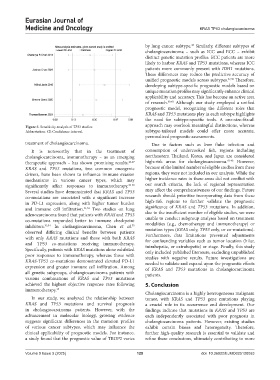
            Figure 5. Sensitivity analysis of TP53 studies     approach may overlook meaningful distinctions, whereas
            Abbreviation: CI: Confidence interval.             subtype-tailored models could offer more accurate,
                                                               personalized prognostic assessments.
            treatment of cholangiocarcinoma.                     Due to factors such as liver fluke infection and
              It is noteworthy that in the treatment of        consumption of undercooked fish, regions including
            cholangiocarcinoma, immunotherapy – as an emerging   northeastern Thailand, Korea, and Japan are considered
            therapeutic approach – has shown promising results. 26,27    high-risk areas for cholangiocarcinoma. 41-43  However,
            KRAS and  TP53 mutations, two common oncogenic     because of the limited number of eligible studies from these
            drivers, have been shown to influence  immune evasion   regions, they were not included in our analysis. While the
            mechanisms in various cancer types, which may      higher incidence rates in these areas did not conflict with
            significantly affect responses to immunotherapy. 28-30    our search criteria, the lack of regional representation
            Several studies have demonstrated that  KRAS and  TP53   may affect the comprehensiveness of our findings. Future
            co-mutations are associated with a significant increase   research should prioritize incorporating data from these
            in  PD-L1  expression,  along  with  higher  tumor  burden   high-risk regions to further validate the prognostic
            and immune cell  infiltration. 31,32  Two  studies on lung   significance of  KRAS and  TP53 mutations. In addition,
            adenocarcinoma found that patients with KRAS and TP53   due to the insufficient number of eligible studies, we were
            co-mutations responded better to immune checkpoint   unable to conduct subgroup analyses based on treatment
            inhibitors. 33,34  In cholangiocarcinoma, Chen  et al.    modalities  (e.g.,  chemotherapy  and  immunotherapy)  or
                                                         35
            observed  differing  clinical  benefits  between  patients   mutation types (KRAS only, TP53 only, or co-mutations).
                                                               Furthermore, data limitations prevented adjustments
            with only  KRAS mutations and those with both  KRAS   for  confounding  variables  such  as  tumor  location  (hilar,
            and  TP53 co-mutations receiving  immunotherapy.   intrahepatic, or extrahepatic) or stage. Finally, this study
            Specifically, patients with KRAS mutations alone exhibited   only included published literature, excluding unpublished
            poor responses to immunotherapy, whereas those with   studies with negative results. Future investigations are
            KRAS-TP53 co-mutations demonstrated elevated PD-L1   needed to validate and expand upon the prognostic effects
            expression and greater immune cell infiltration. Among   of  KRAS  and  TP53  mutations  in cholangiocarcinoma
            all genetic subgroups, cholangiocarcinoma patients with   patients.
            various combinations of  KRAS and  TP53 mutations
            achieved the highest objective response rates following   5. Conclusion
            immunotherapy. 35
                                                               Cholangiocarcinoma is a highly heterogeneous malignant
              In our study, we analyzed the relationship between   tumor, with  KRAS and  TP53 gene mutations playing
            KRAS and  TP53 mutations and survival prognosis    a crucial role in its occurrence and development. Our
            in cholangiocarcinoma patients. However, with the   findings indicate that mutations in  KRAS and  TP53 are
            advancement in molecular biology, growing evidence   each independently associated with poor prognosis in
            suggests significant differences in the mutation profiles   cholangiocarcinoma patients. However, existing studies
            of various cancer subtypes, which may influence the   exhibit certain biases and heterogeneity. Therefore,
            clinical applicability of prognostic models. For instance,   further high-quality research is essential to validate and
            a study found that the prognostic value of TROP2 varies   refine these conclusions, ultimately contributing to more


            Volume 9 Issue 3 (2025)                        129                         doi: 10.36922/EJMO025120063

