


Page 85 - EJMO-9-3
P. 85
Eurasian Journal of
            Medicine and Oncology                                          Mapping breast cancer PPI networks for targets


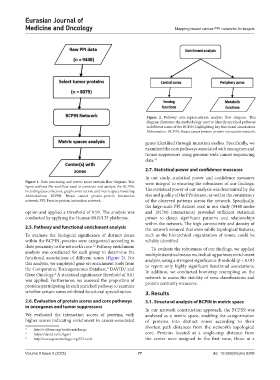
                                                               Figure  2. Pathway over-representation analysis flow diagram. This
                                                               diagram illustrates the methodology used to identify enriched pathways
                                                               in different zones of the BCPIN, highlighting key functional associations
                                                               Abbreviation: BCPIN: Breast cancer protein-protein interaction network.

                                                               genes identified through mutation studies. Specifically, we
                                                               examined the core pathways associated with oncogenes and
                                                               tumor suppressors using genome-wide cancer sequencing
                                                               data. 23
                                                               2.7. Statistical power and confidence measures
                                                               In our study, statistical power and confidence measures
            Figure 1. Data processing and metric space analysis flow diagram. This   were integral to ensuring the robustness of our findings.
            figure outlines the workflow used to construct and analyze the BCPIN,   The statistical power of our analysis was determined by the
            including data collection, graph construction, and metric space modeling
            Abbreviations: BCPIN: Breast cancer protein-protein interaction   size and quality of the PPI dataset, as well as the consistency
            network; PPI: Protein-protein interaction network.  of the observed patterns across the network. Specifically,
                                                               the large-scale PPI dataset used in our study (9448 nodes
            option and applied a threshold of 0.99. The analysis was   and 181706 interactions) provided sufficient statistical
            conducted by applying the Human HGU133 platforms.  power to detect significant patterns and relationships
                                                               within the network. The high connectivity and density of
            2.5. Pathway and functional enrichment analysis    the network ensured that even subtle topological features,
            To evaluate the biological significance of distinct zones   such as the hierarchical organization of zones, could be
            within the BCPIN, proteins were categorized according to   reliably identified.
            their proximity to the network’s core.  Pathway enrichment   To evaluate the robustness of our findings, we applied
                                         22
            analysis was conducted for each group to determine the   multiple statistical measures, including pathway enrichment
            functional associations of different zones (Figure  2). For   analysis, using a stringent significance threshold (p < 0.01)
            this analysis, we employed gene set enrichment tools from   to report only  highly significant  functional  associations.
            the Comparative Toxicogenomics Database,  DAVID,  and   In addition, we conducted bootstrap resampling on the
                                               2
                                                      3
            Gene Ontology.  A statistical significance threshold of 0.01   network to assess the stability of zone classifications and
                        4
            was applied. Furthermore, we assessed the proportion of   protein centrality measures.
            proteins participating in each enriched pathway to examine
            whether certain zones exhibited functional specialization.  3. Results
            2.6. Evaluation of protein scores and core pathways   3.1. Structural analysis of BCPIN in metric space
            in oncogenes and tumor suppressors
                                                               In our network construction approach, the BCPIN was
            We evaluated the interaction scores of proteins, with   analyzed as a metric space, enabling the categorization
            higher scores indicating enrichment in cancer-associated   of proteins into distinct zones according to their
                                                               shortest path distances from the network’s topological
            2  http://ctdbase.org/tools/enricher.go
            3  https://david.ncifcrf.gov/                      core. Proteins located at a single-step distance from
            4  http://www.geneontology.org/GO.tools            the center were assigned to the first zone, those at a


            Volume 9 Issue 3 (2025)                         77                              doi: 10.36922/ejmo.8208

